
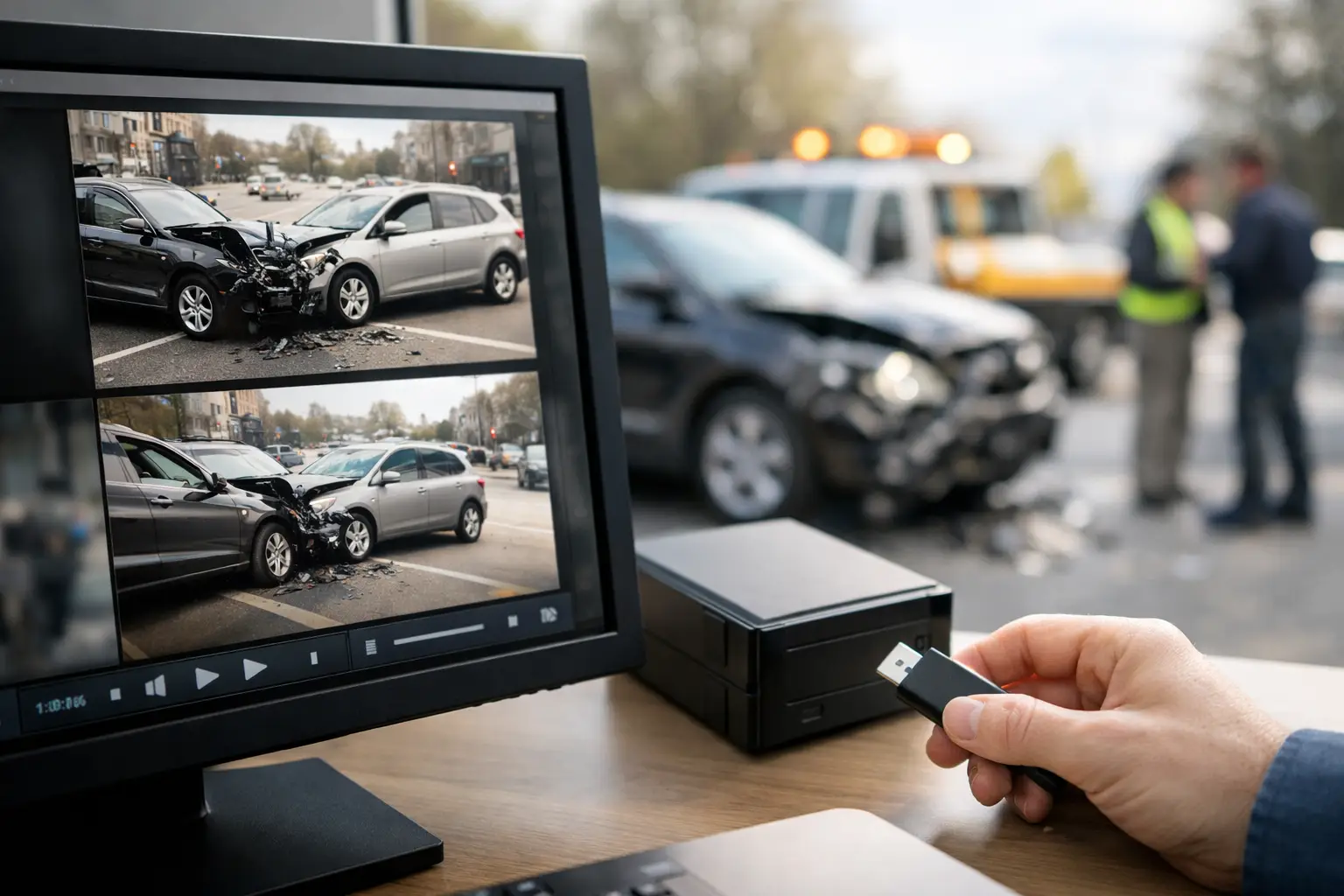
A camera above a storefront, gas station, apartment entrance, or nearby intersection may have captured the seconds that changed your life. Knowing how to preserve surveillance footage quickly can make a real difference after a car crash, slip and fall, workplace accident, or other injury caused by someone else’s negligence. Many systems automatically record over old video within days, sometimes within hours. Once it is gone, getting answers becomes much harder.
If you were injured in Northwest Florida or South Alabama, do not assume a business, property owner, or insurance company will save video because an accident occurred. Take action early, document what you know, and speak with an injury lawyer before critical evidence disappears.
Why surveillance footage can matter in an injury claim
Witness memories fade. Drivers change their stories. Businesses may claim they did not know about a dangerous condition. Surveillance video can provide an objective record of what happened before, during, and after an accident.
In a vehicle crash case, footage may show a driver running a red light, speeding, failing to yield, texting, or making an unsafe turn. In a slip and fall case, it may reveal a spill on the floor, poor lighting, an uneven walkway, or how long a hazard was present before someone got hurt. Video can also show whether employees inspected the area, how they responded after the incident, and whether your injuries were visible right away.
Footage is not automatically favorable to either side. That is why preserving it matters. The truth should be available for review, not erased before anyone has a fair opportunity to investigate.
How to preserve surveillance footage before it is deleted
Your first priority after an injury is medical care. But if you are physically able, or if a family member can help, begin identifying possible cameras as soon as possible. Think beyond the obvious camera pointed directly at the accident scene. Nearby businesses, homes, parking lots, public facilities, delivery vehicles, and neighboring buildings may have useful views of the area.
Write down the exact location, the direction you were traveling or walking, the approximate time of the incident, and the names of businesses nearby. Take photographs of visible cameras if you can do so safely. A picture of the camera and its location can help identify who controls it later.
Then act promptly.
Ask the owner to save the video
If the camera belongs to a business or property owner, calmly ask to speak with a manager or owner. Explain that you were involved in an accident and request that they preserve all footage from the relevant date and time. Be specific about the location and give a broad enough time window to account for events leading up to and following the incident.
For example, if a crash happened at 3:15 p.m., request video from at least 2:45 p.m. through 3:45 p.m. The minutes before an accident can be just as revealing as the collision itself.
A verbal request is a good first step, but it is not enough on its own. People change shifts, messages are forgotten, and businesses may not understand the urgency. Follow up in writing by email, text message, or letter whenever possible. Keep a copy of what you sent and note the name of each person you spoke with.
Request preservation, not just a copy
Do not limit your request to, “Can I see the video?” A manager may let you watch a brief clip while the full recording continues toward automatic deletion. Ask the owner to preserve the original recording, including footage from all relevant cameras and the surrounding time period.
Original files can contain details that a cellphone recording of a monitor does not, such as timestamps, better image quality, additional camera angles, and system information. If the owner is willing to provide a copy, accept it, but still request that the original be retained.
Get legal help quickly
A lawyer can send a formal preservation letter, sometimes called a spoliation letter, to the person or business that controls the video. This notice puts the recipient on record that the footage may be evidence in a legal claim and should not be destroyed, altered, or recorded over.
The Law Office of J.J. Talbott can move quickly to identify evidence, notify the right parties, and build a case before insurers have the chance to control the narrative. You should not have to chase camera owners, adjusters, and paperwork while you are trying to heal.
Where to look for cameras after an accident
The camera you need may not be directly above the scene. After a crash, consider whether footage may exist at a nearby convenience store, restaurant, bank, hotel, school, apartment complex, repair shop, or traffic-facing business. Doorbell cameras and private security systems may also capture vehicles approaching or leaving the area.
For a fall or injury on someone else’s property, ask about cameras inside the building, at entrances and exits, in hallways, at checkout areas, near loading docks, and in parking lots. A camera pointed away from the exact fall location may still show employees walking past a hazard, warning signs that were missing, or your condition immediately afterward.
Government-operated traffic cameras can be more complicated. Some provide live monitoring but do not retain recordings. Others may have footage subject to agency procedures and retention schedules. Do not wait to find out. An early request gives you the best chance of learning whether a recording exists.
Preserve your own evidence too
Surveillance footage is only one piece of the story. Your own records can help establish the time, place, severity, and consequences of the accident.
Keep the photos and videos you took at the scene in their original form. Save messages with witnesses, screenshots of calls, ride-share records, dashcam video, medical paperwork, and any incident report. Write down what happened while the details are fresh, including the weather, lighting, traffic, statements made by the other person, and names of anyone who helped you.
Avoid editing videos, adding filters to photographs, or posting accident-related material on social media. Even an innocent post can be taken out of context by an insurance company looking for a reason to minimize your injuries.
Do not rely on the insurance company to protect the video
An insurer may investigate an accident, but its interests are not necessarily aligned with yours. The insurer may request information that supports its defense, yet fail to secure footage that could prove its policyholder was at fault. A claim adjuster telling you they are “looking into it” is not the same as a written preservation demand sent to the camera owner.
You also should not wait for a police report to be completed before taking steps to protect video. A report can be valuable, but it may not identify every nearby camera or resolve disputes about what happened. Video can disappear long before an investigation is finished.
What if the footage has already been erased?
Do not give up. Lost surveillance footage can make a case more challenging, but other evidence may still prove negligence. Witness testimony, scene photographs, vehicle damage, medical records, black box data, phone records, maintenance logs, and company policies may help establish what happened.
The circumstances surrounding the missing video may matter as well. If a person or business received a clear request to preserve footage and then allowed it to be destroyed, that may raise serious legal issues. Whether there are consequences depends on the facts, who controlled the video, when they received notice, and their duty to retain it. An experienced attorney can evaluate the situation and determine the next move.
The clock starts sooner than most people expect
Security systems are built for routine monitoring, not long-term evidence storage. A camera that captured your accident on Monday may overwrite that recording by the end of the week. The sooner you identify possible footage and put the owner on notice, the better your chance of preserving what actually happened.
After an injury, you deserve space to focus on your health and your family. Let a lawyer fight to protect the evidence that can protect your claim. A prompt conversation can help turn a fleeting video record into proof that supports the compensation and justice you deserve.