
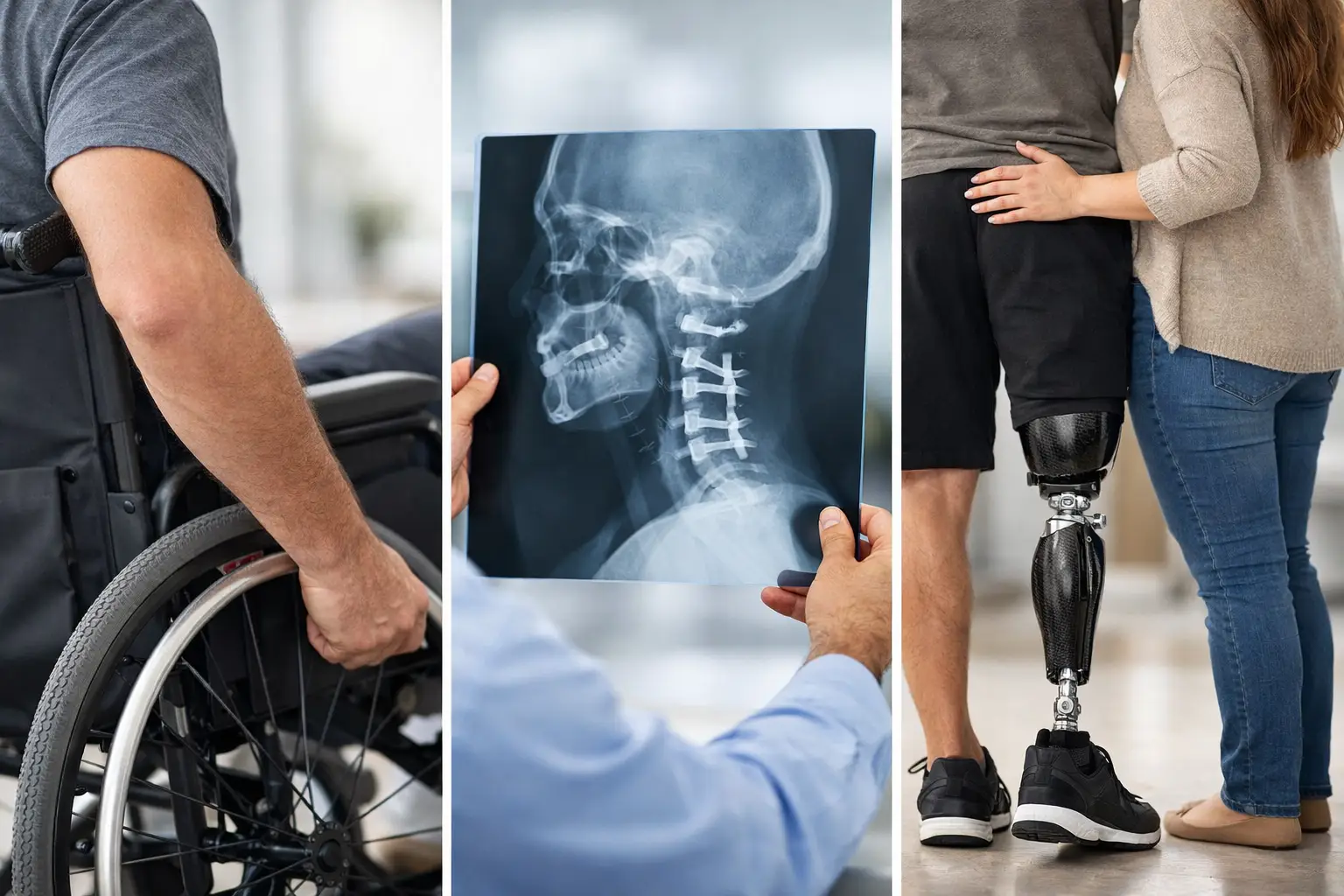
A serious accident can change a life before the ambulance reaches the hospital. Some injuries heal with time and treatment. Others permanently alter how a person moves, thinks, works, communicates, or cares for their family. Understanding catastrophic injury types helps injured people and their loved ones see the full scope of what may be ahead – medically, financially, and legally.
For families across Northwest Florida, the first days after a severe crash, fall, workplace accident, or maritime incident are often a blur of specialists, tests, surgery, and unanswered questions. Insurance companies may move quickly to seek statements or push an early settlement. But a fair claim must account for more than the bills already on the table. It must reflect the care, income, independence, and support a person may need for years to come.
What Makes an Injury Catastrophic?
A catastrophic injury is generally one that causes permanent disability, long-term impairment, disfigurement, or a major loss of bodily function. The term is not limited to one diagnosis. It describes the effect an injury has on a person’s future.
A broken bone, for example, may be painful but fully recoverable. A complex fracture that leaves someone unable to walk without assistance, return to construction work, or live independently can become catastrophic. The same principle applies to injuries involving the brain, spinal cord, burns, organ damage, and loss of a limb.
From a legal standpoint, the label matters because the damages are often substantial and difficult to predict early. Medical treatment may involve surgeries, rehabilitation, home modifications, mobility equipment, medications, counseling, and lifelong assistance. A person may also lose earning capacity, even if they can perform some work in a different role later.
Common Catastrophic Injury Types
Traumatic brain injuries
A traumatic brain injury, often called a TBI, can result from a violent blow, jolt, or penetrating injury to the head. It is common in high-speed car wrecks, motorcycle crashes, falls, and accidents involving heavy equipment. A person does not have to lose consciousness for a brain injury to be serious.
Severe TBIs can affect memory, concentration, balance, speech, personality, emotional regulation, and decision-making. Family members may notice that the injured person seems different after the accident, even when imaging does not immediately provide every answer. Recovery can require neurological treatment, speech therapy, occupational therapy, psychological care, and extensive rehabilitation.
Spinal cord injuries and paralysis
Damage to the spinal cord can interrupt communication between the brain and the body. Depending on the location and severity of the injury, it may lead to partial or complete paralysis. Paraplegia affects the lower body, while quadriplegia can affect both the arms and legs.
Spinal injuries are especially devastating because they often require immediate trauma care followed by long-term planning. Wheelchair-accessible transportation, home renovations, attendant care, specialized medical equipment, and treatment for related complications may all become part of daily life. The financial impact can be enormous, particularly when an injured person was the primary wage earner.
Amputations and severe limb injuries
The loss of a hand, arm, foot, leg, finger, or toe can happen in vehicle collisions, industrial accidents, defective-product incidents, and serious infections after trauma. Some injuries do not involve a full amputation but still leave a limb with severely limited function, chronic pain, or repeated surgical needs.
Prosthetics can help many people regain mobility and independence, but they are not a one-time expense. Devices may need replacement, adjustment, repair, and specialized training. A claim should also recognize the personal impact of losing the ability to perform work, hobbies, household tasks, or ordinary activities that once came easily.
Severe burns
Burn injuries can result from fires, explosions, chemical exposure, electrical accidents, and vehicle crashes. Third-degree and fourth-degree burns may damage deep tissue, muscle, or bone. They can require skin grafts, reconstructive surgery, infection prevention, pain management, and long hospital stays.
The physical consequences are only part of the harm. Severe scarring and disfigurement can create emotional trauma, depression, anxiety, and social isolation. When another party’s negligence caused the burn, the claim should address both visible injuries and the full human cost of living with them.
Multiple fractures and crush injuries
A crushed pelvis, shattered legs, complex facial fractures, or multiple broken bones can leave permanent limitations even after surgery. These injuries are frequently seen in commercial truck crashes, workplace accidents, dangerous property incidents, and motorcycle collisions.
The outcome depends on the specific bones involved, the degree of tissue damage, and whether nerves or blood vessels were injured. Some victims face chronic pain, reduced range of motion, arthritis, infection, or an inability to return to physically demanding work. A settlement offered before doctors understand the long-term prognosis may fail to cover what the injury will truly cost.
Internal organ damage
Blunt-force trauma and penetrating injuries can damage the lungs, heart, liver, kidneys, spleen, or other internal organs. These injuries may be life-threatening and are not always obvious immediately after an accident. Internal bleeding, organ rupture, and complications from surgery can create a medical emergency within hours.
Even after stabilization, a victim may need ongoing monitoring, medication, dialysis, transplant-related care, or major changes to diet and activity. An internal injury can be catastrophic when it leaves permanent impairment or creates a heightened risk of future medical complications.
Severe vision, hearing, and facial injuries
Loss of vision, hearing loss, facial trauma, and severe dental injuries can profoundly affect a person’s ability to work and interact with the world. These injuries may stem from airbag deployment, glass, explosions, falls, assaults, or hazardous workplace conditions.
Facial injuries can involve extensive reconstructive treatment and lasting disfigurement. Vision and hearing losses may require adaptive technology, retraining, and vocational support. These harms are sometimes underestimated because they may not be as outwardly apparent as paralysis, but their effect on independence and quality of life can be permanent.
Why Early Medical and Legal Action Matters
Catastrophic injuries create urgent medical needs, but they also create urgent evidence issues. The scene of a crash changes. Surveillance footage may be erased. Vehicles can be repaired or destroyed. Witnesses forget details, and employers or insurers may start building their version of events immediately.
Prompt legal help can protect evidence while allowing the injured person and family to focus on care. In a serious Florida injury claim, an attorney may investigate the accident, identify every responsible party, preserve records, review insurance coverage, and work with medical and economic professionals to understand future losses.
That work matters because catastrophic cases are rarely simple. A commercial vehicle crash may involve a driver, trucking company, maintenance provider, cargo company, or another negligent party. A workplace injury may involve workers’ compensation benefits and a potential claim against a negligent third party. An accident on or near Gulf waters may raise maritime law issues that differ from a typical car accident case.
The Damages a Catastrophic Injury Claim May Address
No amount of money can restore what a family has lost. Compensation can, however, provide the resources needed to pursue treatment and maintain stability. Depending on the facts of the case, damages may include past and future medical expenses, rehabilitation, in-home care, lost income, reduced earning capacity, pain and suffering, mental anguish, disfigurement, and loss of enjoyment of life.
For a married victim, a spouse may also experience a serious loss of companionship, support, and shared household responsibilities. When a catastrophic injury leads to death, surviving family members may have a wrongful death claim. The available damages and deadlines depend on the circumstances, which is one reason families should not rely on an insurer’s assessment of the case.
Florida law, insurance policy terms, fault disputes, and the evidence available can all affect a recovery. Every case is different. A strong legal strategy begins with a clear picture of the injury and a refusal to settle before the full consequences are understood.
What Families Can Do After a Life-Changing Injury
Keep copies of discharge papers, test results, prescriptions, bills, and records of every provider involved in treatment. A simple journal can also be valuable. Write down symptoms, missed work, assistance needed at home, changes in mood or sleep, and activities the injured person can no longer do.
Avoid giving a recorded statement or accepting a quick settlement without understanding the consequences. The insurance company’s goal is often to close the claim for as little as possible. Your family deserves time to learn what the medical future actually looks like.
At the Law Office of J.J. Talbott, we know a catastrophic injury case is never just a file number. It is a family trying to hold on to its future after someone else’s negligence turned life upside down. You should not have to fight insurers, chase records, and guess at your rights while facing the hardest recovery of your life. Reach out for a free consultation, get clear answers, and let a committed legal team take on the fight for the compensation and justice your family deserves.