
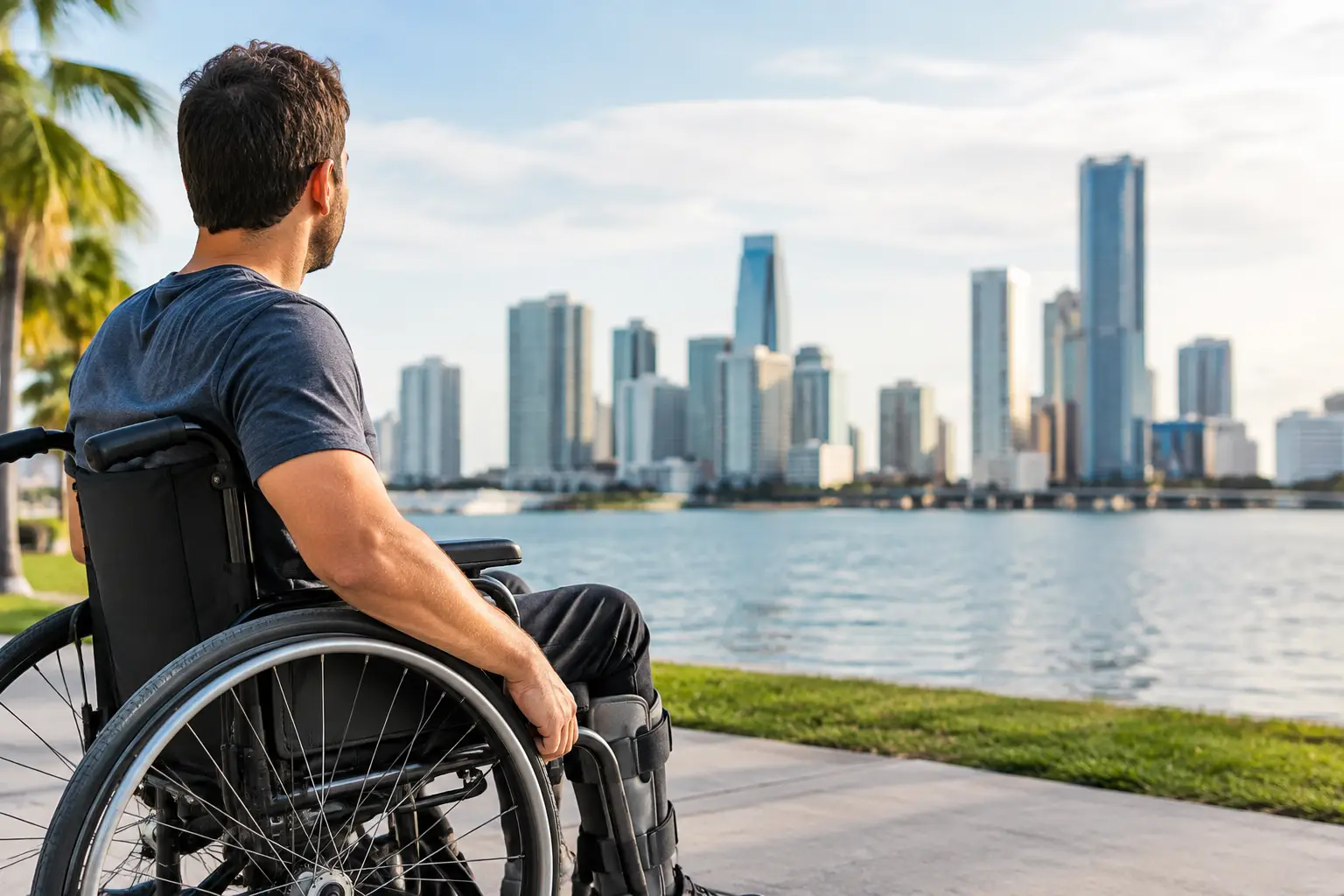
A spinal cord injury, traumatic brain injury, severe burn, or loss of a limb can change a family’s finances overnight. The catastrophic injury compensation factors in a Florida case go far beyond the first emergency-room bill. They include the care a person may need for decades, the income they can no longer earn, the strength of the evidence, and whether the responsible party has insurance or assets available to pay.
Insurance companies often move quickly after a devastating accident. They may offer money before the full medical picture is clear, hoping an injured person or family will accept a settlement that does not account for the road ahead. A fair result requires a hard look at what the injury has truly taken and what it will continue to cost.
Why Catastrophic Injury Claims Are Different
A catastrophic injury is not simply a more painful injury. It is an injury that permanently affects a person’s ability to work, live independently, communicate, move, or care for their family. The consequences can reach every part of life: housing, transportation, medical treatment, career plans, relationships, and emotional well-being.
That is why these cases cannot be valued by adding up a few bills and multiplying by a number. A person with a permanent brain injury may need cognitive therapy, home supervision, specialized transportation, and help managing daily tasks. Someone with paralysis may need a wheelchair-accessible home, adaptive equipment, ongoing attendant care, and periodic replacement of that equipment. Those needs must be identified before a claim can be responsibly resolved.
The value of a case also depends on facts outside the injured person’s control. A serious injury may justify substantial damages, but available insurance coverage, the conduct of the at-fault party, and proof of liability all influence the recovery that can realistically be pursued.
Catastrophic Injury Compensation Factors That Affect Value
The nature, severity, and permanence of the injury
Medical records are central to every injury claim, but catastrophic cases demand more than proof that an accident caused harm. The evidence must show the extent of the harm, the expected prognosis, and the lasting limitations it creates.
Doctors, therapists, surgeons, and other qualified professionals may address whether further surgeries are likely, whether improvement is expected, and what restrictions will remain. A permanent injury generally carries greater value than a short-term injury because its effects do not end when initial treatment ends. Still, a diagnosis alone does not determine compensation. The daily impact matters: pain, reduced mobility, cognitive problems, inability to sleep, loss of independence, and the inability to participate in activities that once gave life meaning.
Past and future medical care
Past medical expenses provide a starting point, not an endpoint. Catastrophic injuries commonly produce future costs that exceed the first hospital stay by a wide margin. Those costs can include rehabilitation, medications, follow-up procedures, home health care, psychological treatment, physical therapy, medical devices, and modifications to a home or vehicle.
Future medical damages must be supported by credible evidence. Depending on the injury, the case may require testimony from treating physicians and specialists, along with a life-care planner who can estimate the care and equipment an injured person will need over time. The purpose is not to inflate a claim. It is to make sure the settlement or verdict reflects the actual price of living with a permanent injury.
Lost income and lost earning capacity
When an injury keeps someone from returning to work, lost wages are part of the claim. But the greater issue is often lost earning capacity: the reduction in what that person could reasonably have earned over the rest of their working life.
This calculation can be especially significant for a younger worker, a skilled tradesperson, a business owner, or someone on a path toward promotions and higher earnings. It may account for salary history, education, benefits, overtime, bonuses, retirement contributions, and the physical or cognitive demands of the person’s occupation. An injured person may be able to work in some capacity and still have a major loss if they can no longer perform the job they trained for or depended on to support their family.
Pain, suffering, and loss of enjoyment of life
Florida law may allow compensation for non-economic harm, including physical pain, mental anguish, disability, disfigurement, inconvenience, and loss of the ability to enjoy life. These losses do not come with a receipt, but they are real.
A before-and-after picture often matters here. Testimony from family members, friends, coworkers, and the injured person can help show what has changed. A parent who can no longer pick up a child, a motorcyclist who lives with chronic nerve pain, or an active retiree who can no longer walk the beach has suffered losses that a stack of medical invoices cannot fully capture.
Liability and comparative fault
Even a devastating injury claim can be challenged if the other side disputes fault. The insurance company may argue that the injured person contributed to a crash, ignored a warning, failed to use available safety equipment, or had another opportunity to avoid the incident.
Florida’s comparative negligence rules can reduce compensation when an injured person is found partly at fault. In many negligence cases, a person found more than 50 percent responsible may be barred from recovering damages, subject to important exceptions. The details matter, and fault should never be assumed based on what an insurer says in the first days after an accident.
Evidence can make the difference. Photos, surveillance video, vehicle data, witness statements, police reports, maintenance records, cellphone evidence, and expert accident reconstruction may all help establish what happened. Prompt investigation is critical because video can be erased, witnesses can disappear, and physical evidence can be lost.
Insurance coverage and available sources of recovery
One of the hardest realities in catastrophic injury cases is that the harm may be worth far more than a negligent driver’s insurance policy. A serious claim must examine every potential source of recovery, not just the first policy identified.
That can include the at-fault party’s liability coverage, uninsured or underinsured motorist coverage, commercial policies, umbrella policies, employer coverage, or claims against additional negligent parties. For example, a trucking crash may involve the driver, trucking company, cargo handler, maintenance provider, or another business whose decisions contributed to the wreck.
A claim against a business, property owner, manufacturer, or government entity may involve different rules and defenses. Identifying the right defendants early can be just as important as proving the seriousness of the injury.
Pre-existing conditions and medical history
Insurers frequently point to old injuries, degenerative conditions, or prior treatment to argue that an accident did not cause the current problems. A prior condition does not give a negligent party a free pass for making that condition worse.
The key question is often whether the event caused a new injury or aggravated an existing one. Honest, consistent medical documentation is vital. Trying to hide a prior injury usually creates problems. Addressing it directly with medical evidence helps distinguish a pre-existing condition from the new harm caused by the accident.
How Strong Evidence Protects the Full Claim
In a catastrophic case, families are often focused on survival, surgery, and immediate care. That is where a legal team can take pressure off the family by preserving evidence, dealing with insurance adjusters, organizing medical records, and building a claim around long-term needs.
Do not assume an early settlement offer reflects the value of the case. It may not include future surgeries, lifetime care, reduced earning ability, or the non-economic consequences of a permanent disability. At the same time, pursuing a claim requires judgment. Litigation can take time, experts can be necessary, and every case carries risk. A trial-ready attorney should explain those realities clearly while fighting for the strongest available recovery.
When to Speak With a Florida Catastrophic Injury Lawyer
The earlier legal help begins, the more opportunity there is to protect evidence and prevent avoidable mistakes. This is especially true after a commercial vehicle crash, workplace accident, serious fall, defective product incident, boating accident, or collision involving a driver with limited insurance.
At The Law Office of J.J. Talbott, catastrophic injury cases are treated with the urgency they deserve. You should be able to focus on your medical care while your lawyer fights for the compensation needed to protect your future. If an injury has turned your family’s life upside down, getting clear answers early can help you make the next decision from a position of strength.