
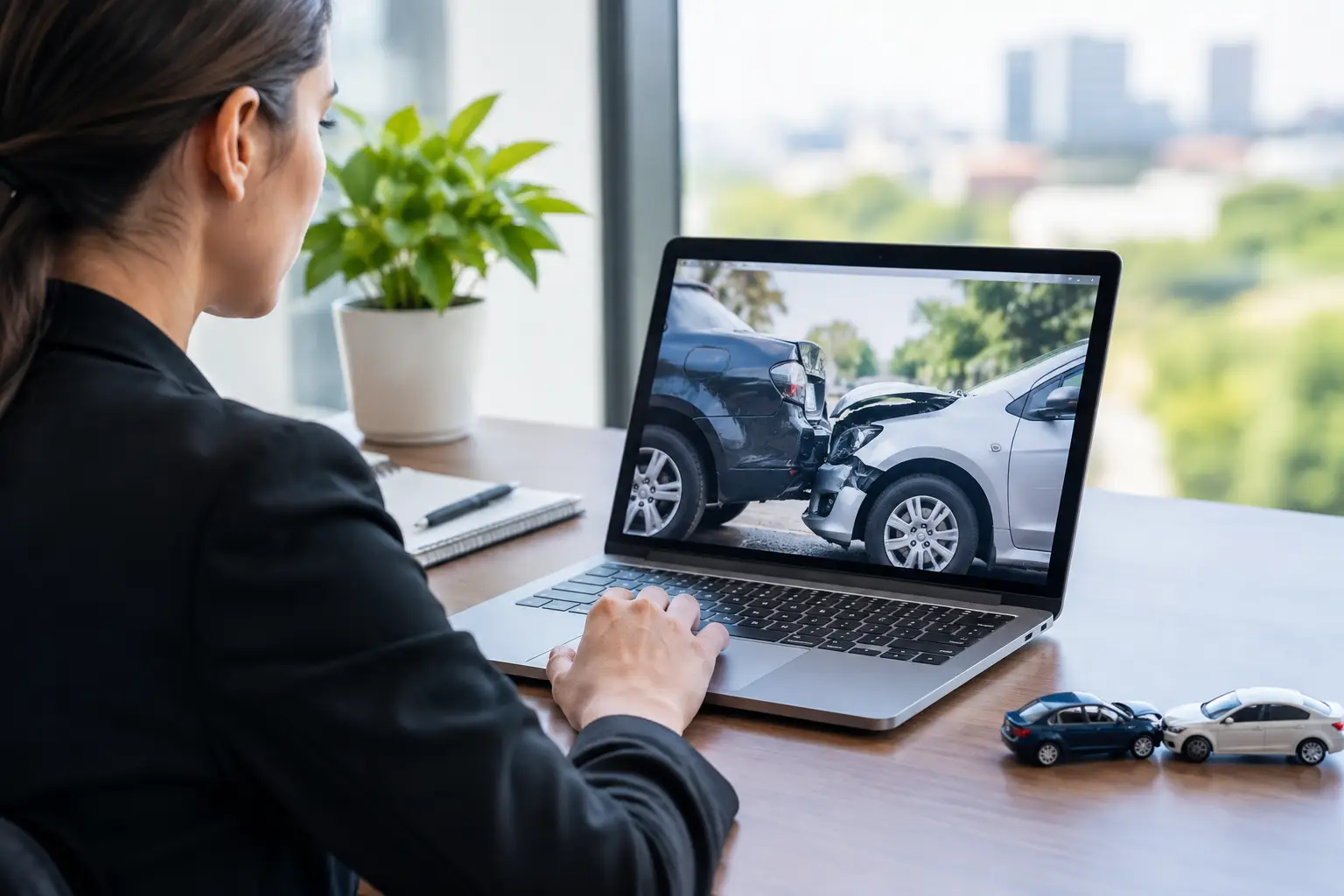
The crash happened in seconds, but the questions start immediately: Who was cited? What did the other driver tell the officer? Did the report identify the correct location, vehicles, and witnesses? Requesting Florida crash reports is often one of the first practical steps after a collision, especially when injuries, vehicle damage, or an insurance dispute are involved.
A crash report is not the final word on fault. It is, however, a critical piece of evidence that can shape what happens next. At the Law Office of J.J. Talbott, we know that insurance companies begin looking for ways to limit a claim early. Getting the report, reviewing it carefully, and preserving the evidence behind it can help protect your right to fair compensation.
What Is a Florida Crash Report?
A Florida traffic crash report is the document prepared by the responding law enforcement agency after a qualifying accident. Depending on where the crash occurred, that may be the Florida Highway Patrol, a county sheriff’s office, or a city police department.
The report commonly identifies the drivers, passengers, vehicles, insurance information, crash location, date and time, road conditions, apparent damage, witness information, and any traffic citations issued. It may also include a diagram and the reporting officer’s narrative of what they observed or what people at the scene said.
That information can be valuable, but it has limits. An officer may arrive after the vehicles have been moved, may not speak to every witness, or may make an error while entering names, insurance policy information, or the sequence of events. The officer’s opinion does not automatically decide civil liability. A careful injury claim looks beyond the report to photographs, video footage, vehicle damage, medical records, witness accounts, and other evidence.
Requesting Florida Crash Reports: Where to Start
The right place to request a report depends on which agency investigated the collision. If you received an information exchange sheet or a case number at the scene, it should identify the reporting agency and report number. Keep that paperwork with your medical records, repair estimates, photographs, and insurance correspondence.
Many Florida crash reports can be purchased through the Florida Department of Highway Safety and Motor Vehicles’ crash report system. In other cases, particularly reports handled by a local police department or sheriff’s office, you may need to request the record directly from that agency. A report may also take time to appear in the system after the officer completes and files it.
Before you make a request, gather the facts that will help locate the correct record: the crash date, approximate time, county or city, names of the drivers, and report number if available. Small details matter. A report filed under the wrong crash date or a name with a misspelling can be harder to find than most people expect.
Florida generally restricts public access to traffic crash reports for the first 60 days after they are filed. During that period, people involved in the crash, their legal representatives, insurers, and certain authorized parties may be able to obtain the report sooner. The request process may require a sworn statement confirming that you are entitled to receive it.
If you are unsure whether you qualify for early access, do not assume you have to wait. An attorney can help determine the proper request route and obtain records needed to start investigating your claim.
What to Check When You Receive the Report
Read every page, including the diagram, narrative, codes, and supplemental pages. Do not just look for a citation. A driver can be responsible for a crash even if no ticket was issued at the scene, and a ticket alone does not guarantee an insurance company will accept full responsibility.
Start by confirming basic facts. Make sure your name, contact information, vehicle description, location, lane of travel, and stated injuries are accurate. Check whether the other driver’s insurance information is listed and whether all passengers and witnesses appear in the report.
Then look closely at the officer’s description of how the collision occurred. Does it accurately reflect the traffic signal, weather, roadway layout, speed, braking, or direction each vehicle was traveling? If the report says you made a statement you do not remember making, or leaves out a witness who supports your account, make a note of it right away.
An error does not mean your case is lost. Officers can sometimes prepare a supplemental report to correct factual information. More importantly, your lawyer can develop evidence that clarifies or challenges an incomplete narrative. Nearby surveillance video, dash camera footage, 911 calls, cell phone records, vehicle event data, and eyewitness testimony may tell a more complete story.
Do Not Let the Report Become the Whole Case
Insurance adjusters often treat an early report as a shortcut. If the narrative seems unfavorable, they may use it to question fault, minimize your injuries, or push you into a quick settlement before the full evidence is available. That is why it is dangerous to make broad admissions or accept the other insurer’s version of events simply because it appears in an initial report.
Florida follows a modified comparative negligence system. In many cases, an injured person may still recover damages even when they are found partly responsible, although their recovery can be reduced by their percentage of fault. If a person is found more than 50% at fault, recovery may be barred in most negligence claims. The facts matter, and insurers know that shifting even a small percentage of blame can save them money.
A report can also fail to capture the true impact of your injuries. Neck, back, brain, and soft-tissue injuries may not be obvious in the moments after a crash. Adrenaline can mask pain. Seek medical care promptly, follow your provider’s advice, and keep records of symptoms, missed work, prescriptions, and out-of-pocket costs. Your health comes first, and prompt documentation also helps connect your injuries to the collision.
Protect Evidence Before It Disappears
Requesting the report should be part of a larger effort to preserve evidence. Video footage from businesses, homes, traffic cameras, or nearby vehicles may be overwritten quickly. Witnesses can move, memories fade, and damaged vehicles may be repaired or destroyed before they are inspected.
Take photographs of visible injuries, your vehicle, the roadway, skid marks, debris, traffic signs, and anything else that may explain what happened. Save the original files when possible rather than relying only on screenshots or social media posts. Avoid posting details about the crash, your health, or your activities online while a claim is pending. Insurers regularly look for statements and images they can take out of context.
If the crash involved a commercial truck, rideshare vehicle, motorcycle, uninsured driver, or fatal injury, the need for early investigation is even greater. These claims can involve multiple insurance policies, company records, specialized evidence, and serious questions about who is legally responsible.
When Legal Help Can Make a Difference
You may be able to obtain a crash report on your own after a minor collision with no injuries and no dispute about fault. But it is wise to speak with an experienced injury lawyer when you have been hurt, the report is inaccurate, fault is contested, the other driver was uninsured, or the insurance company is pressuring you to settle.
A lawyer can obtain and analyze the report, identify missing evidence, communicate with insurers, calculate the full value of your losses, and fight for compensation for medical bills, lost income, pain and suffering, and other damages allowed by law. The goal is not just to get a document. It is to make sure one incomplete document does not stand between you and the recovery you deserve.
After a serious Florida crash, you should not have to carry the legal burden while you are trying to heal. Get the report, protect the evidence, and ask for help before an insurance company gets to define your story for you.