
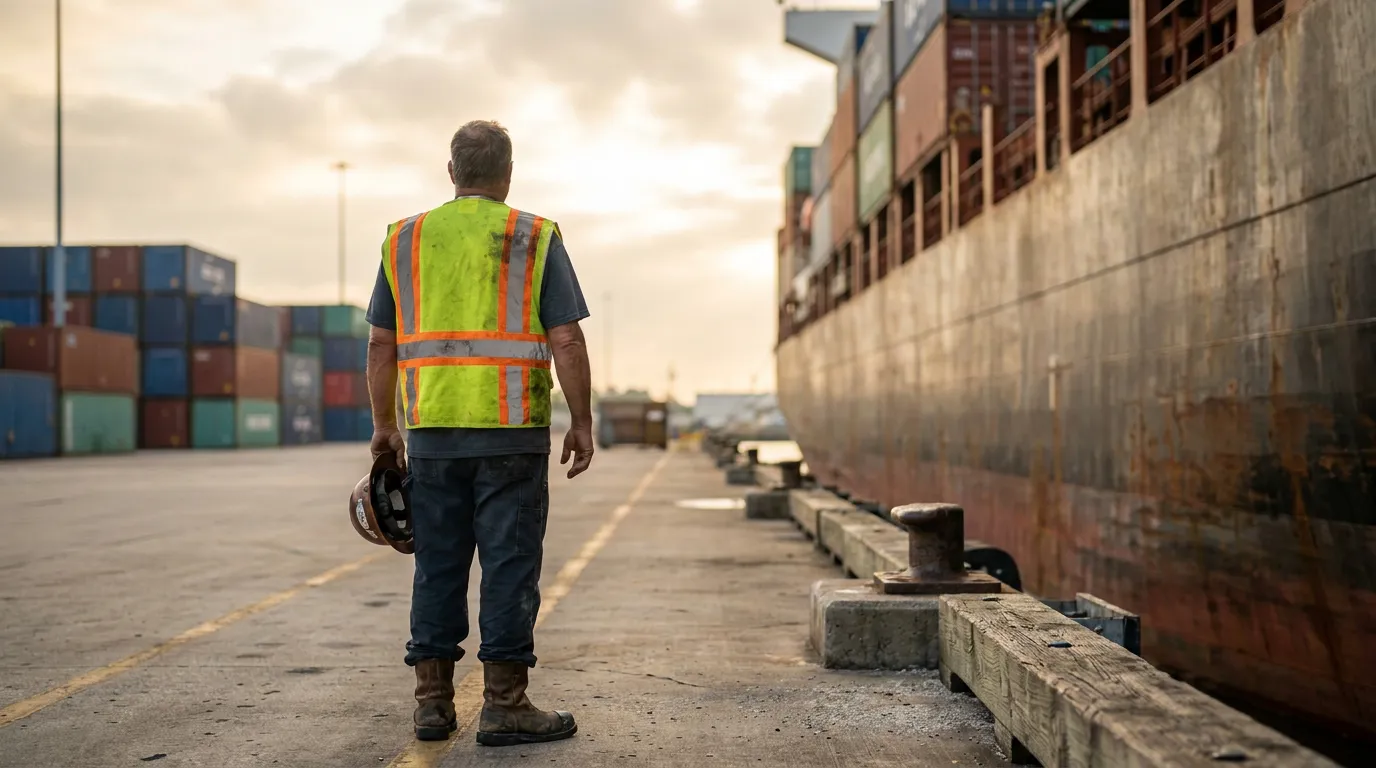
Your Rights as a Panama City Longshore Worker Under Federal Comp Law
Key Takeaways: Panama City longshore and harbor workers are protected under the federal Longshore and Harbor Workers’ Compensation Act (LHWCA), which provides medical care, wage-replacement, and rehabilitation for work injuries and occupational diseases like hearing loss. Classification as a “seaman” under the Jones Act or a longshore worker under the LHWCA determines your remedy based on vessel connection and time aboard. LHWCA traumatic-injury claims must generally be filed within one year (two years for occupational diseases) while Jones Act claims typically allow three years, missing deadlines can permanently bar recovery. If denied, insurers must file Form LS-207 explaining why, and you can pursue an OWCP informal conference through the Jacksonville Central Case Create site. Coverage extends to offshore and overseas jobs through the Outer Continental Shelf Lands Act and Defense Base Act. Because these federal maritime rules are technical and fact-dependent, early legal guidance is critical to protect your rights.
If you were hurt working the docks, loading vessels, or repairing ships around the Port of Panama City, you likely have rights under federal law, not just Florida’s state system. Most longshore and harbor workers fall under the Longshore and Harbor Workers’ Compensation Act (LHWCA), 33 U.S.C. §§ 901 through 950, a federal workers’ compensation program run by the U.S. Department of Labor providing medical benefits, wage compensation, and rehabilitation services.
At the Law Office of JJ Talbott, we help injured workers in the Florida Panhandle understand their rights and fight for them. If you are hurt and unsure where to turn, contact our team today, call us at (850) 437-9600, or reach out through the Law Office of JJ Talbott.
Who the Longshore Act Actually Covers
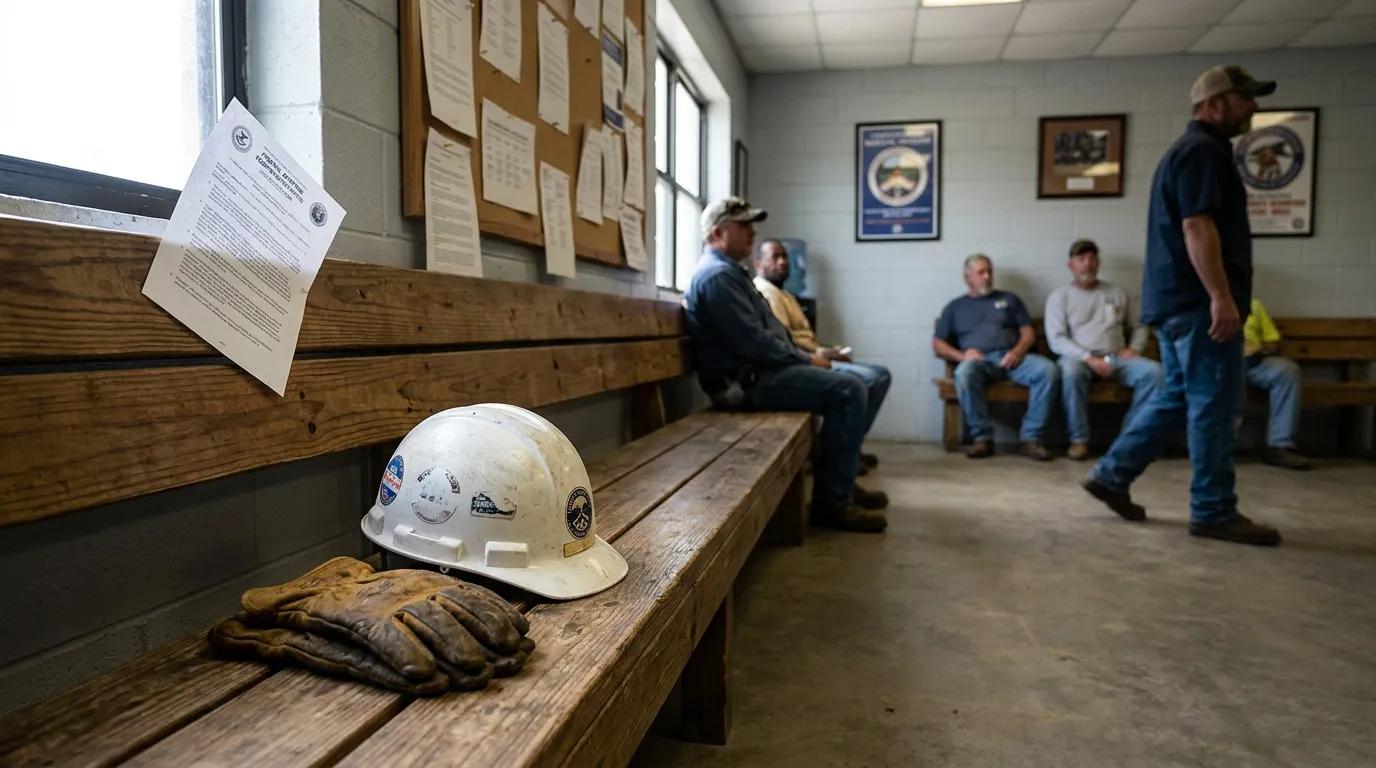
The Longshore Act covers maritime workers, but not everyone who works near water qualifies. The statute defines the protected class broadly but excludes certain workers, such as clerical, marina, and small-vessel employees, and requires both maritime work connection (“status”) and injury on a covered maritime location (“situs”). The term “employee” means any person engaged in maritime employment, including any longshoreman or other person engaged in longshoring operations, and any harbor-worker including a ship repairman, shipbuilder, and ship-breaker.
Coverage matters in Bay County, where port jobs, ship repair, and marine construction are daily work. The federal program ensures workers’ compensation benefits are provided promptly under the LHWCA, Defense Base Act, Non-Appropriated Fund Instrumentalities Act and the Outer Continental Shelf Lands Act.
💡 Pro Tip: Keep a record of exactly what you were doing and where you were when injured. Whether your work counts as “maritime employment” and your location can decide which law applies.
Longshore Worker or Seaman? The Difference Changes Everything
One of the first questions in any Port of Panama City injury claim is whether you are a “seaman” or a longshore worker, because that decides your remedy. Seamen generally fall under the Jones Act, 46 U.S.C. § 30104, while shoreside maritime workers usually fall under the LHWCA. Workers who qualify as seamen seek compensation under the Jones Act, while other maritime workers may have a claim under the Longshore Act. The two categories are generally mutually exclusive.
The seaman test is not simple, and courts weigh the facts. A seaman generally must have a substantial connection to a vessel “in navigation” (or fleet) in both duration and nature, and contribute to its function; many courts follow a guideline of at least 30% of employment time spent on a vessel or fleet.
The Benefits a Panama City Longshore Worker May Receive
Under federal law, an injured harbor worker may be entitled to:
-
Medical care for treatment of the work-related injury or occupational disease.
-
Wage-replacement compensation for lost income while unable to work.
-
Rehabilitation services to help you return to work when possible.
Occupational diseases are covered too, not just sudden accidents. The occupational disease provisions historically applied to hazards affecting an entire class of longshore employees, such as asbestosis, bronchial asthma, and hearing loss from common workplace exposures. Learn more about the range of maritime worker injury claims.
💡 Pro Tip: Save every medical record, mileage log, and receipt from day one. These records can make the difference between a smooth claim and a fight over what you are owed.
Deadlines That Can Make or Break Your Claim
The most important thing to understand is the deadline, missing it can end your claim. Under the LHWCA, the right to compensation for disability or death under this Act shall be barred unless a claim thereof is filed within one year after the injur[y]. For occupational diseases that do not immediately result in disability, the Act generally allows two years from the date the worker becomes aware of the relationship between the condition, disability, and employment.
Different maritime laws carry different clocks. Jones Act claims typically must be filed within three years, while LHWCA traumatic-injury claims often have only one year to file with the Department of Labor (two years commonly applying to occupational diseases). Missing a filing deadline can permanently bar recovery.
There is a discovery rule, but courts apply it narrowly. Under Section 13 of the Act, 33 U.S.C. § 913, the time for filing a claim does not begin to run until the employee or beneficiary is aware, or by the exercise of reasonable diligence should have been aware, of the relationship between the injury or death and the employment. Whether it applies depends on specific facts.
Hearing Loss and Other Delayed Injuries
Hearing loss has its own special trigger from the 1984 Amendments. For hearing loss claims, the time for giving notice and filing a claim under Sections 12 and 13 does not begin to run until the employee receives an audiogram, with accompanying report. The audiogram report must indicate both the loss and its connection to your work.
💡 Pro Tip: Do not wait to see if you “get better on your own.” Report the injury in writing to preserve the date, then get answers about your filing window quickly.
|
Legal Regime |
Who It Generally Covers |
Typical Filing Window |
|---|---|---|
|
LHWCA |
Longshore and harbor workers |
About one year to file with DOL (often two years for occupational disease) |
|
Jones Act |
Seamen assigned to a vessel |
Generally three years |
This table is a general summary. Your actual deadline depends on your facts and the governing statute.
What Happens If Your Claim Is Denied
A denial is not the end, and federal law gives you procedural protections. When an employer or insurer refuses to pay, the LHWCA requires them to file a Form LS-207, Notice of Controversion of Right to Compensation, stating the reasons for denial, and a copy must be provided to the worker.
You also have access to a government dispute resolution process. The OWCP/DLHWC assists parties to resolve disputes by conducting informal conferences and making written recommendations regarding benefit entitlement. If the informal process does not resolve the dispute, the claim can be referred for a formal hearing before an administrative law judge. Learn more from the Division of Longshore and Harbor Workers’ Compensation.
Where Florida Claims Are Handled
Florida longshore claimants are served within the program’s Southern District. The Jacksonville DLHWC Office is designated as the Central Case Create site for the entire program, creating cases for all new injuries regardless of location. The Southern District also includes suboffices in Jacksonville, Florida; New Orleans, Louisiana; and Houston, Texas.
Not sure if your case qualifies? Call us, and we will tell you honestly.
How a Workers Compensation Attorney in Panama City Can Help
Federal maritime claims are technical, and small mistakes can cost real money. When you work with our firm, you talk directly with JJ, not an intake screener or junior associate. With more than 26 years handling injury and maritime workers comp Florida matters in the Panhandle area, we know how insurers behave when they want to delay or deny.
Coverage can also reach offshore and overseas jobs. The Outer Continental Shelf Lands Act applies the LHWCA to offshore platform and rig workers who are not seamen, the Defense Base Act extends protections to overseas U.S. contractors, and the Death on the High Seas Act allows certain wrongful death claims for deaths beyond three nautical miles from shore. A review with a workers compensation attorney in Panama City is the best way to know where you stand. Find more educational posts on our workers’ compensation blog.
Frequently Asked Questions
1. How long do I have to file a Longshore Act claim in Florida?
Generally, one year from injury to file a traumatic-injury claim under the LHWCA, and often two years for occupational disease. A limited awareness rule may apply in some situations, but courts read it narrowly.
2. What if I already got a denial letter?
A denial does not end your claim. The insurer must file Form LS-207 explaining why, and you can pursue an OWCP informal conference. Early help gives you the best shot at responding correctly.
3. Am I a seaman or a longshore worker?
It depends on your vessel connection and how you spend your time. Seamen with substantial connection to a vessel in navigation may fall under the Jones Act, while shoreside harbor workers usually fall under the LHWCA. Many courts look at roughly 30% vessel time as a guideline.
4. Does the Longshore Act cover hearing loss and occupational disease?
Yes, occupational conditions like hearing loss and asbestos-related illness can be covered. For hearing loss, the filing clock generally starts when you receive an audiogram with a report linking the loss to your work.
5. Where do Florida longshore claims get processed?
New injury cases are created through the Jacksonville Central Case Create site. Florida claimants are served within the Southern District.
Protect Your Rights Before the Clock Runs Out
Injured Panama City longshore workers have real federal rights, but with strict deadlines and technical rules. You may be entitled to medical care, wage replacement, and rehabilitation, with protections if denied. Early guidance is the smartest step.
You do not have to figure this out alone while hurt and out of work. Call us today at (850) 437-9600, send us a message through our contact page, or learn more at the Law Office of JJ Talbott. We are big enough to do the job and small enough to care.