
Why Pain and Suffering Money Is Not Automatic After a Florida Crash
Key Takeaways: Florida’s no-fault system pays your first medical bills and lost wages through PIP, but recovering pain and suffering from an at-fault driver requires clearing the permanent injury threshold in Fla. Stat. §627.737(2). That statute recognizes four qualifying categories: significant and permanent loss of an important bodily function, permanent injury within a reasonable degree of medical probability, significant and permanent scarring or disfigurement, or death. Most Pensacola cases rise or fall on a treating physician’s documented opinion of permanency, supported by objective findings like MRI results, nerve conduction studies, and impairment ratings. Defendants can file a one-time pretrial motion under §627.737(3) that may lead to dismissal without prejudice if you cannot show some evidence of meeting the threshold. Uninsured motorist claims face the identical hurdle under §627.727(7), so even your own insurer may scrutinize permanency and often orders a compulsory or independent medical examination. Because permanency is a fact question decided case by case, building strong medical proof early is the best protection for your claim.
If you were hurt in a Pensacola wreck and someone told you that you cannot sue for pain and suffering, they were only partly right. Florida’s no-fault system limits when you may step outside your own PIP coverage and hold the at-fault driver responsible for the human side of your losses. The permanent injury threshold is the gate you have to walk through, and it often comes down to whether a doctor can say your injury is permanent within a reasonable degree of medical probability.
Not sure if your injuries clear that bar? The Law Office of JJ Talbott has been answering that question for injured folks across Escambia County for more than 26 years. Call us today for a free consultation at (850) 437-9600, or contact us now and talk directly with JJ, not a call center.
The Statute Behind Florida’s Tort Threshold
Florida Statute §627.737(1) exempts owners, operators, and occupants of vehicles for which required security has been provided from tort liability for bodily injury to the extent PIP benefits are payable, or would have been payable but for an authorized exclusion. That means your own policy pays a portion of your medical bills and lost wages first, regardless of fault. The exemption applies to non-economic damages unless you qualify under the exceptions in subsection (2).
Subsection (2) is where your right to sue lives. Under Fla. Stat. §627.737(2), a plaintiff may recover for pain, suffering, mental anguish, and inconvenience only if the injury consists in whole or in part of one of four categories.
If you are still fuzzy on how the no-fault system works, our breakdown of Florida no-fault car accident rules walks through PIP coverage step by step.
The Four Ways to Meet the Florida Permanent Injury Threshold
The statute lists exactly four qualifying categories, and you generally need at least one:
- Significant and permanent loss of an important bodily function
- Permanent injury within a reasonable degree of medical probability, other than scarring or disfigurement
- Significant and permanent scarring or disfigurement
- Death
Most Pensacola cases we handle turn on the second category. It is broad on paper, but it depends on whether a treating physician will put permanency in writing and stand behind it.
What "Permanent" Actually Means in Practice
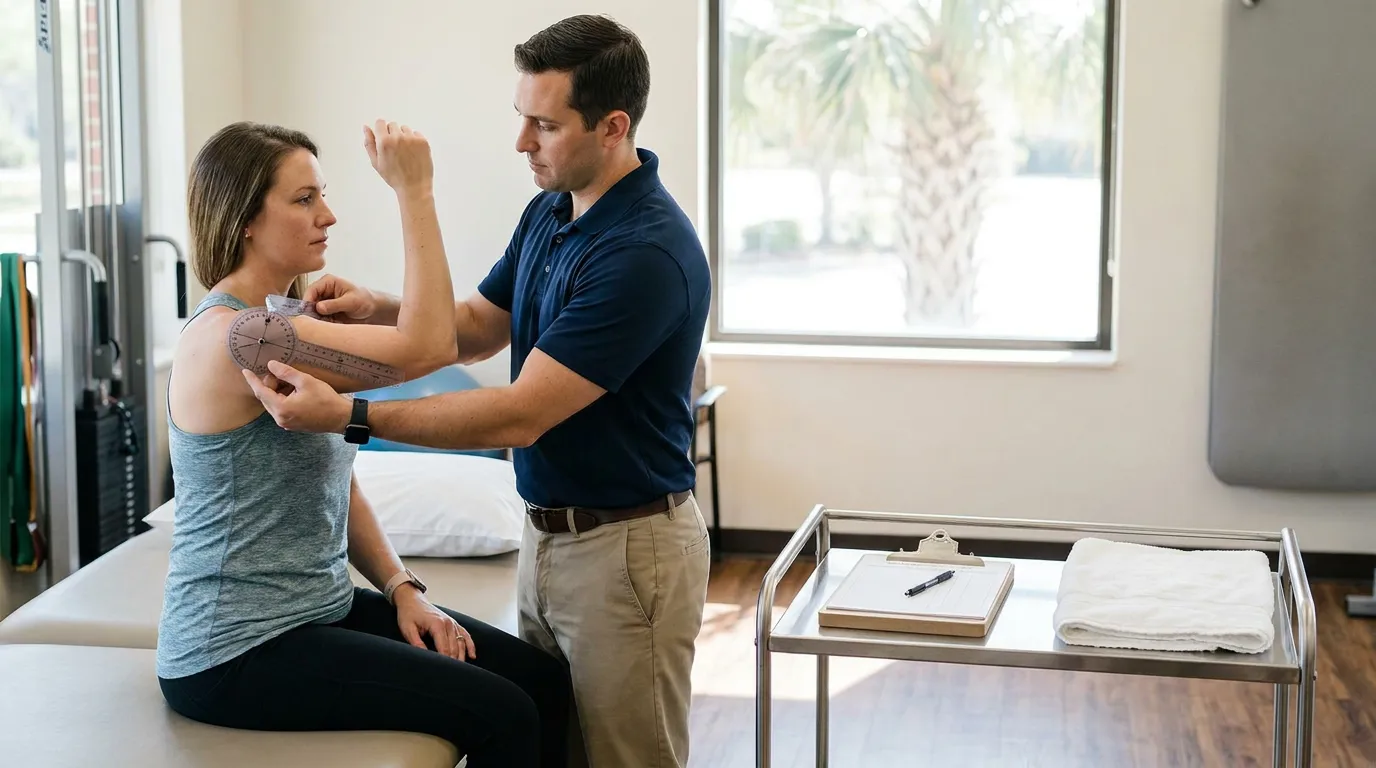
Permanent does not necessarily mean bedridden or unable to work. It means the injury is not expected to fully resolve, that some measurable impairment or ongoing symptom will remain indefinitely. A herniated disc with nerve involvement, a torn labrum, or a traumatic brain injury may qualify, though each still requires case-specific medical proof.
Doctors typically express this through an impairment rating or a written opinion of permanency. Juries may consider objective findings such as MRI results, nerve conduction studies, and range-of-motion measurements alongside the physician’s testimony, and Florida courts have generally held that expert medical evidence is needed to establish permanency except in rare cases where the injury is obvious.
Why Spinal Injuries Come Up So Often
Spinal injuries are among the more common qualifying injuries in Florida crash claims. A spinal cord injury can cause permanent changes in strength, sensation, and other body functions below the level of damage, and the distinction between complete and incomplete injuries may shape the permanency analysis.
Not every back injury is permanent, though, and we will tell you honestly if the medical records do not support the claim. JJ would rather give you a straight answer than sell you on a case that may not hold up.
How Juries Are Instructed to Decide
Judges do not just hand jurors the statute and hope for the best. Florida’s standard civil jury instructions give jurors specific language for deciding permanency, and those instructions are periodically updated by the Florida Supreme Court. Because permanency is a fact question for the jury when evidence conflicts, two juries in Escambia County could reasonably reach different conclusions on similar records.
The Pretrial Motion Insurance Defense Lawyers Use
Defendants can force the issue before trial ever starts. Under §627.737(3), when a defendant questions whether the threshold is met, the court shall, on a one-time basis only, 30 days before trial or the pretrial hearing, whichever is first, examine the pleadings and evidence to determine whether you can submit some evidence of meeting the threshold.
If the court finds you cannot, the statute directs dismissal of the claim without prejudice. That is not necessarily the end of the road, but it can be a serious setback and a strong reason to build permanency proof early rather than scrambling at the deadline. Defendants also raise the threshold through summary judgment and directed verdict motions.
💡 Pro Tip: Ask your treating doctor directly whether they believe your injury is permanent and whether that opinion is documented in your chart. Insurance adjusters often read those records long before any lawyer does.
Uninsured Motorist Claims Face the Same Hurdle
People are often surprised that UM coverage does not sidestep the threshold. Under Fla. Stat. §627.727(7), an uninsured motorist insurer is not liable for pain, suffering, mental anguish, and inconvenience unless the injury falls within paragraphs (a) through (d) of §627.737(2).
So even when making a claim against your own carrier, that company may evaluate permanency much the same way a defense firm would. In many cases they request a medical examination under the policy or the rules of procedure, and those examiners frequently disagree with your treating physician.
| Type of Claim | Threshold Required? | Typical Proof Needed |
|---|---|---|
| PIP medical and wage benefits | No | Treatment records, bills, wage documentation |
| Pain and suffering vs. at-fault driver | Yes | Physician opinion of permanency, imaging, impairment rating |
| Uninsured motorist bodily injury | Yes | Same permanency proof, plus policy and coverage records |
| Economic damages beyond PIP limits | No threshold for medical/wage losses | Bills exceeding PIP, employer records |
Where PIP Ends and Your Injury Claim Begins
PIP generally pays 80 percent of reasonable medical expenses and 60 percent of lost wages, subject to a combined $10,000 policy limit. Under Fla. Stat. §627.736(1)(a), medical benefits are available up to $10,000 only when a qualifying provider determines you had an emergency medical condition; otherwise, benefits may be limited to $2,500. Initial care generally must be obtained within 14 days of the crash, or PIP medical benefits may be lost entirely.
Anyone who has spent a night at a Pensacola emergency room knows how fast $10,000 disappears. Everything past that, including your pain and suffering, may depend on reaching the at-fault driver’s liability coverage, your own UM coverage, or other available assets, since Florida does not require drivers to carry bodily injury liability coverage.
A few things routinely sink otherwise solid claims. Gaps in treatment may give adjusters an argument that you healed. Recorded statements taken days after the crash, before symptoms fully develop, can be used later to suggest you were fine.
Our team has handled these cases against the same regional adjusters for decades, and we are familiar with how those files tend to get evaluated. For a fuller picture of our approach, see our page for Pensacola car accident attorney services.
The Legislature Keeps Debating Whether Any of This Should Exist
Florida’s no-fault system has been on the chopping block repeatedly. In 2021, a bill to repeal PIP and move Florida toward a mandatory bodily injury liability system passed the Legislature but was vetoed by the Governor, and no-fault repeal legislation has resurfaced in sessions since without becoming law. PIP and the threshold remain in effect today.
There is also a timing wrinkle: for accidents in certain earlier statutory windows, the tort limitation applied only if the defendant was also covered by qualifying security, showing that threshold applicability can hinge on insurance status and the date of the crash.
Frequently Asked Questions
1. Do I need a permanent injury to recover my medical bills?
Generally, no. The threshold in §627.737(2) applies to pain, suffering, mental anguish, and inconvenience. Economic losses such as medical bills exceeding PIP limits and lost wages generally are not subject to that same restriction, though the tort exemption still applies to amounts PIP pays or would have paid, and other proof requirements apply.
2. How soon do I need a doctor to say my injury is permanent?
There is no fixed statutory deadline for that opinion, but waiting can be risky. Physicians often will not address permanency until you reach maximum medical improvement, expert disclosure deadlines apply under the case management order, and a threshold motion may be decided 30 days before trial, so building that record early is generally wise.
3. Does soft tissue injury ever meet the threshold?
Sometimes, depending on the evidence. Whiplash and similar injuries may qualify if objective testing and a physician’s opinion support permanency, but these claims often face heavier scrutiny from insurers and outcomes are highly fact-dependent.
4. What if the at-fault driver had no insurance?
Your UM coverage may respond if you purchased it, but §627.727(7) generally applies the same threshold. You would still generally need to prove permanency to seek non-economic damages from your own carrier.
5. Can I still have a case if my claim was dismissed without prejudice?
Possibly. A dismissal without prejudice does not resolve the merits, but refiling may depend on the statute of limitations, which for most negligence claims accruing on or after March 24, 2023, is two years, and on whether new medical evidence exists.
Getting an Honest Read on Your Situation
Florida’s permanent injury threshold is not a formality, and it is not something you want to guess at while you are out of work and healing. Whether your injuries qualify may depend on your medical records, your physicians, and how the evidence lines up under §627.737(2). Every case turns on its own facts, and no one can promise you a result.
What we can promise is a straight answer. Contact the Law Office of JJ Talbott today at (850) 437-9600 or reach out through our contact page to talk with JJ and Kristie about where your claim stands. Big enough to do the job, small enough to care.
Disclaimer: This content is for informational purposes only and is not legal advice. Every case is unique, and results may vary. Consult an attorney about your specific circumstances.