
The Sign in the Yard Is Not the Last Word on Your Dog Bite Claim
Key Takeaways: A "Beware of Dog" sign is not the same as the sign Florida law actually names, because Fla. Stat. §767.04 creates a narrow defense only for a prominent, easily readable sign including the words "Bad Dog." Florida is a strict liability state, so an owner generally cannot avoid responsibility by claiming the dog had never bitten anyone before. Even a properly worded sign generally does not protect an owner when the victim is under six years old or when the owner’s own negligence, such as an open gate or leash violation, proximately caused the injury. The sign defense is also tied to the owner’s premises, so it generally does not reach bites on sidewalks, in parks, or in other public places. Comparative negligence, dangerous dog classifications, and criminal charges are separate tracks that generally do not automatically decide your civil claim.
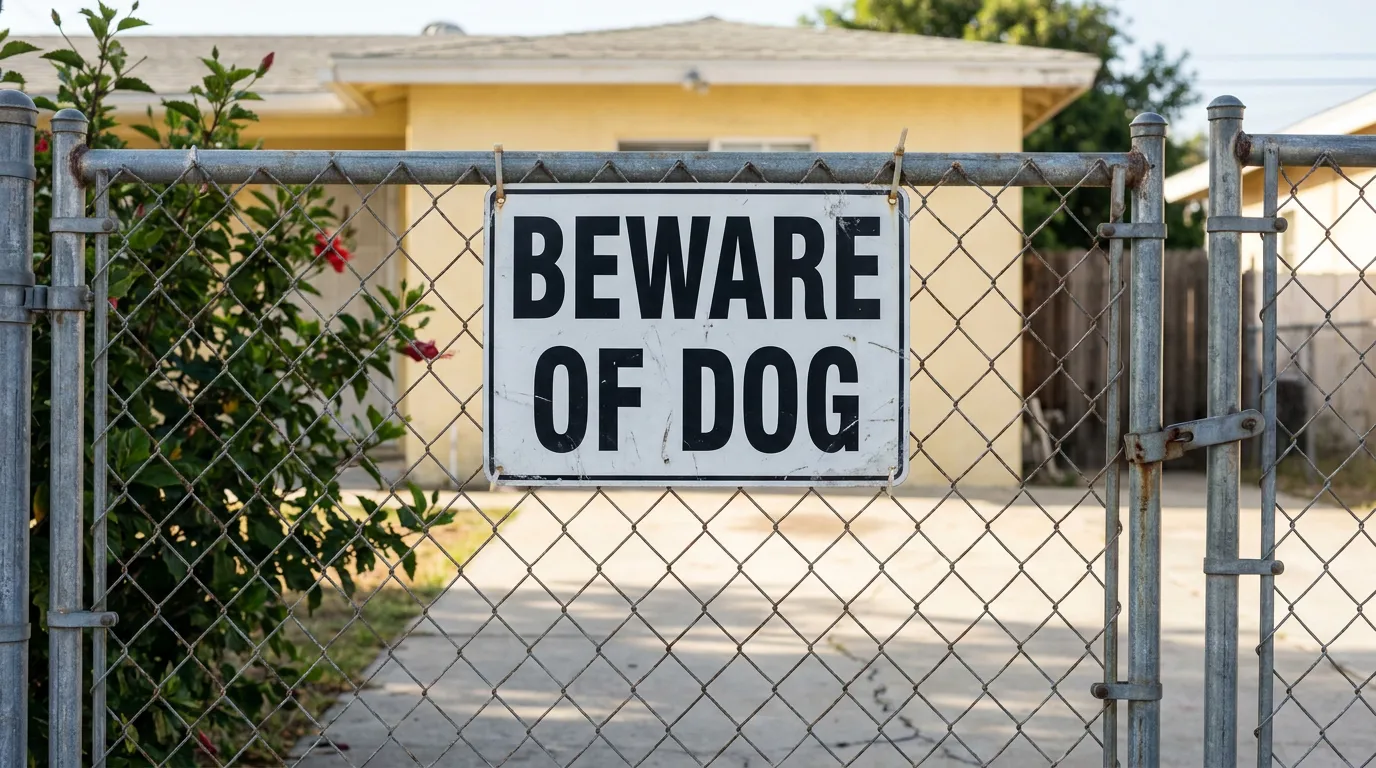
A "Beware of Dog" sign hanging on a fence does not automatically end your right to compensation in Florida. Florida’s dog bite statute names one specific sign, and the wording it requires is "Bad Dog," not "Beware of Dog." That difference can affect whether an owner’s insurance company has a real defense or is simply hoping you walk away.
We hear the same call over and over in Pensacola. Someone gets bitten, the owner points at a sign, and the adjuster acts like the case is closed. If that happened to you, the team at The Law Office of JJ Talbott will look at the facts honestly. Call us today for a free consultation at (850) 437-9600, or reach out to our team now.
What Florida’s Dog Bite Statute Actually Says
Florida is a strict liability state for dog bites. Under Fla. Stat. §767.04, the owner of any dog that bites a person in a public place, or lawfully in or on a private place including the owner’s own property, is liable for damages "regardless of the former viciousness of the dog or the owners’ knowledge of such viciousness." An owner generally cannot escape responsibility by saying the dog never bit anyone before, though the statute’s own limitations and defenses still apply.
That rule sets Florida apart from many other states, which follow a "one-bite rule" requiring proof the owner knew the dog was dangerous. See our post on whether Florida is a strict liability state.
The Beware of Dog Sign Florida Liability Rule Most People Get Wrong
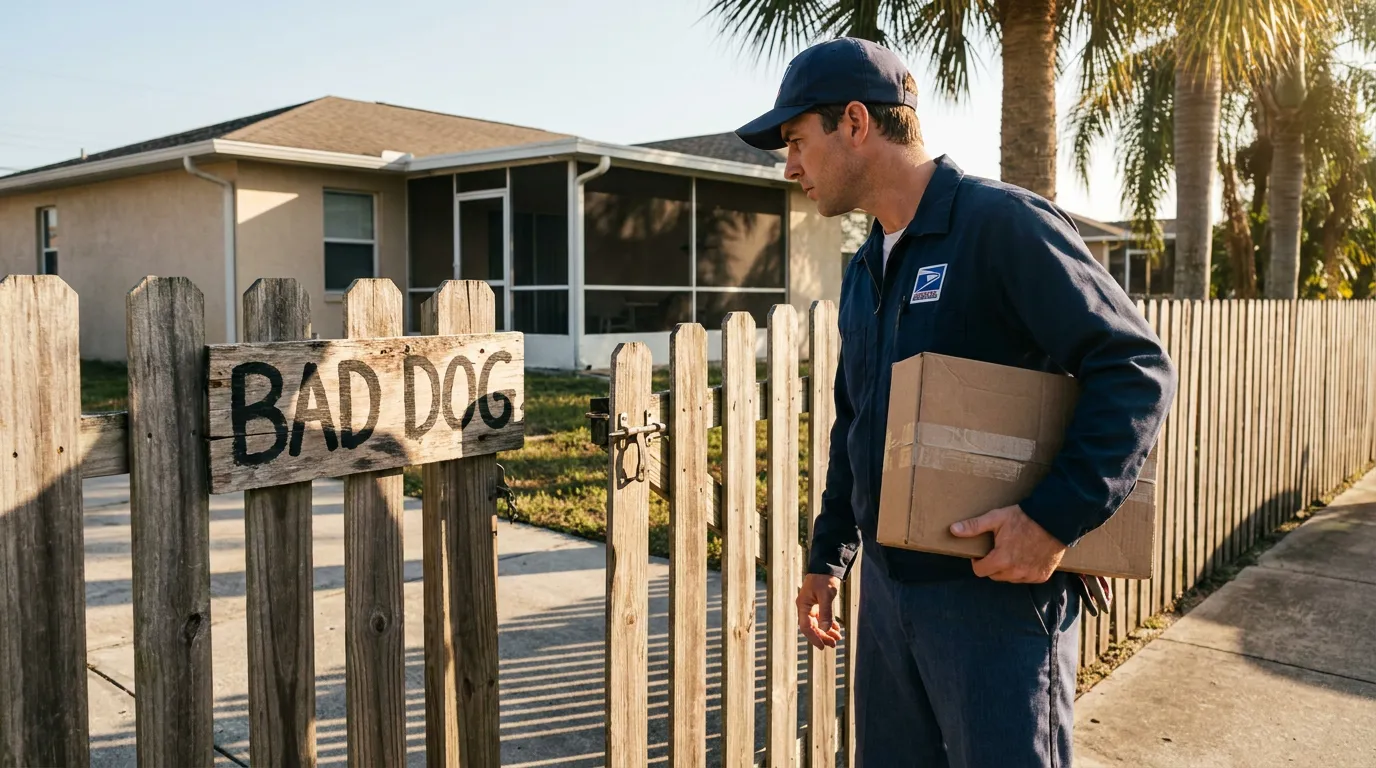
The statute creates a narrow sign defense, written with exact words. Under Fla. Stat. §767.04, an owner’s liability does not attach if, at the time of injury, the owner "had displayed in a prominent place on his or her premises a sign easily readable including the words ‘Bad Dog.’" The full text is available through the Florida dog bite statute.
The details carry weight. The sign must be on the owner’s premises, prominent, easily readable, and include the words "Bad Dog." A faded placard behind a bush, a sign facing the wrong direction, or an unreadable plaque may not satisfy the requirement.
Why the Beware of Dog Sign Wording Matters
A generic "Beware of Dog" sign does not use the phrase the statute names. Whether a court would treat different wording as close enough is fact-dependent, and outcomes vary based on the sign’s size, placement, condition, and visibility. We don’t tell clients this argument is a guaranteed winner, because it isn’t.
What we can say is the argument is real and worth making. Insurance adjusters often treat any yard sign as an automatic defense, and many injured people accept that without question. It deserves a careful look before anyone closes a file.
Two Big Exceptions That Apply Even With a Compliant Sign
Even a properly worded "Bad Dog" sign may not protect an owner in every situation:
- Children under six years old. The sign defense does not apply to a person under age 6.
- The owner’s own negligence. The defense does not apply where damages are proximately caused by a negligent act or omission of the owner, such as leaving a gate open or violating a leash requirement.
These exceptions come up more often than people expect. A parent whose toddler was bitten in a neighbor’s yard may still have a claim even though a sign was posted, as may a victim harmed by the owner’s own carelessness.
💡 Pro Tip: Photograph the sign and surrounding area the same day if you can. Signs get replaced or moved quickly, and a timestamped photo can matter more later than anyone realizes in the moment.
Where the Sign Defense Does Not Reach at All
The sign exception is tied to the owner’s premises, which limits it significantly. If a dog gets loose and bites someone on a sidewalk, in a park, or anywhere off the owner’s property, a yard sign generally will not shield the owner from liability for that attack.
Florida law also keeps other remedies open. Section 767.04 states its remedy "is in addition to and cumulative with any other remedy provided by state statute or common law." A compliant sign addresses liability under that section but does not necessarily wipe out other theories of recovery, such as common law negligence.
| Situation | How the sign defense typically applies |
|---|---|
| Bite on owner’s property, sign reads "Bad Dog," prominent and readable | Owner may raise the statutory defense |
| Bite on owner’s property, sign reads "Beware of Dog" only | Wording does not match the statute; defense is open to challenge |
| Victim under age 6 | Statutory sign defense does not apply |
| Owner’s negligence proximately caused the injury | Statutory sign defense does not apply |
| Bite in a public place or off the premises | Premises sign defense generally does not reach the incident |
Comparative Negligence Is a Separate Argument Entirely
Insurance companies often blur the sign defense with blaming the victim, but they are different rules. Under Fla. Stat. §767.04, any negligence by the person bitten that proximately caused the incident reduces the owner’s liability by that percentage. That is a reduction, not an automatic bar to recovery.
In real cases, adjusters often suggest you provoked the dog or ignored a warning. Those allegations require proof, and a percentage assigned by an adjuster on a phone call is not a legal finding. Not sure if your case qualifies? Call us and we will tell you honestly.
Dangerous Dog Classifications and Criminal Charges Are Their Own Track
Chapter 767 also contains a separate process for classifying a dog as "dangerous" under Fla. Stat. §§767.11 and 767.12. That administrative classification is handled through animal control channels and is distinct from your civil claim under §767.04. Neither one automatically decides the other.
Criminal exposure is a third, separate matter. Under Fla. Stat. §767.13(1), if a dog that has previously been declared dangerous attacks or bites a person without provocation, the owner may commit a first-degree misdemeanor punishable under Fla. Stat. §§775.082 or 775.083. The statute also provides that an owner is not guilty of a criminal offense if the injured person was engaged in or attempting to engage in a criminal activity at the time of the attack, as set forth in §767.13(4).
What Signs Do and Do Not Change About Criminal Exposure
Posting a sign, in any wording, does not by itself resolve a criminal question. The criminal provision turns on what the owner knew and how the owner responded, not on yard decorations. Prosecutors make those decisions independently of your injury claim.
Local animal control resources can be useful for context. Many Florida municipalities publish practical guidance through their police departments, and the dog owner responsibility rules posted by some cities illustrate how leash and containment requirements are typically enforced locally. Rules vary, so what applies depends on where the incident happened.
What We Look at When a Sign Is Involved
When someone calls us about a bite where a sign was posted, we start with the physical facts. JJ has practiced in the Pensacola area for more than 26 years, and he knows how quickly these details disappear. Here is what generally matters most:
- The exact wording printed on the sign
- Where the sign was mounted and whether it faced the approach path
- Whether it was readable from a normal walking distance
- The age of the person bitten
- Whether the bite happened on the premises or off of them
- Any gate, leash, fence, or restraint failure by the owner
- Photographs, animal control reports, and witness statements
Medical documentation carries just as much weight. Get treated, follow through on wound care and infection follow-ups, and keep records of missed work and out-of-pocket costs. Our page on Pensacola dog attack attorney services explains how we handle these claims from the first call forward.
💡 Pro Tip: Report the bite to animal control even if you know the owner personally. That report creates an independent record of the date, the dog, and the location, and often becomes the most neutral piece of evidence in the file.
Frequently Asked Questions
1. Does a "Beware of Dog" sign protect an owner in Florida?
Not automatically. Fla. Stat. §767.04 names a sign "including the words ‘Bad Dog,’" so different wording does not track the statutory language. Whether a court accepts a substitute is fact-dependent and subject to exceptions.
2. My child was bitten and there was a "Bad Dog" sign. Is the claim over?
Not necessarily. The statutory sign defense does not apply to a person under age 6, and it also does not apply where the owner’s own negligent act or omission proximately caused the injury.
3. What if the dog bit me on the sidewalk instead of in the yard?
The sign defense is written around the owner’s premises. A bite in a public place, or anywhere the victim was lawfully present off the property, generally falls outside that exception. Strict liability under §767.04 still governs, subject to comparative negligence.
4. Can the owner argue I provoked the dog?
They can, and insurers frequently do. Under §767.04, negligence by the bitten person that proximately caused the incident reduces the owner’s liability by that percentage rather than eliminating the claim outright, subject to the facts proven.
5. Does an animal control "dangerous dog" finding decide my civil case?
Generally no. Those are separate tracks. The classification procedures in Fla. Stat. §§767.11 and 767.12 are administrative and distinct from the civil liability provisions in §767.04. A finding either way may be relevant evidence, but it generally does not control your damages claim.
The Bottom Line on Sign Wording and Your Claim
A sign is a defense argument, not a verdict. Florida’s statute is specific about wording, placement, readability, and who the defense may not protect, and those legal sign requirements in Florida may give injured people real ground to stand on. Every case turns on its own facts, and no article can tell you what yours is worth.
What we can offer is a straight answer. At our firm, you talk to JJ directly, not an intake coordinator or a rotating associate, and Kristie keeps your file moving. Contact the Law Office of J.J. Talbott today by calling (850) 437-9600, visiting The Law Office of JJ Talbott online, or using our free case review form to get started.
Disclaimer: This content is for informational purposes only and is not legal advice. Every case is unique, and results may vary. Consult an attorney about your specific circumstances.