Getting Back on the Road After a Crash in Escambia County
Key Takeaways: Filing a motor vehicle accident claim in Pensacola begins with protecting your health, documenting the crash, notifying insurers, and understanding Florida’s deadlines. Florida’s no-fault system means your PIP coverage pays first for medical bills and partial lost wages, while a liability claim against the at-fault driver follows when injuries are serious. Strong claims require crash reports, photos, witness details, and prompt medical care within 14 days to preserve PIP benefits. Most negligence claims accruing on or after March 24, 2023 must be filed within two years, and government-vehicle cases carry separate notice rules. Florida’s modified comparative fault system reduces recovery by your share of fault and bars recovery entirely if you are more than 50 percent at fault (except medical negligence claims). A local attorney can organize evidence, handle adjusters, and keep your claim on schedule.
If you have been hurt in a wreck in Pensacola, filing a motor vehicle accident claim starts with protecting your health, documenting the crash, notifying insurers, and understanding Florida’s deadlines before discussing settlement. Florida’s no-fault auto insurance system means your Personal Injury Protection (PIP) coverage generally pays first for medical bills and partial lost wages, regardless of fault. If your injuries are serious, you may then pursue the at-fault driver for remaining losses. Knowing these steps and the rules behind them keeps a valid claim from falling apart.
For working families across Pensacola, Escambia County, and the Panhandle, this process can feel overwhelming while healing and maintaining income. A local attorney who answers the phone can make the difference. To discuss your situation, reach out to The Law Office of JJ Talbott, call us at (850) 437-9600, or send a message through our contact page for a free consultation.
First Moves at the Scene and in the Days After
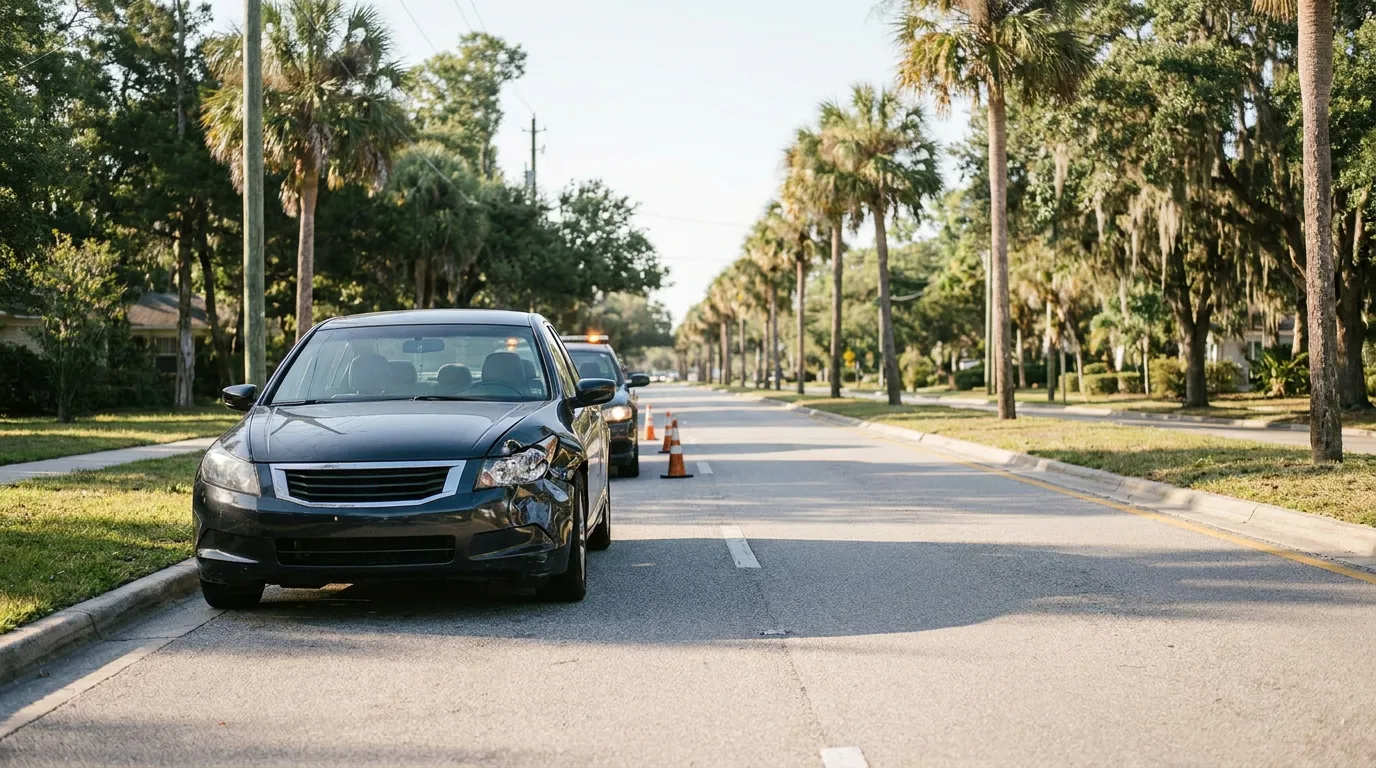
The strongest car accident claims are built in the first hours and days after the crash. What you do at the scene and immediately after shapes how easily fault and damages can be proven. Florida applies a fault-based system for serious-injury claims layered on no-fault, so preserving evidence early protects both tracks.
Practical checklist for a Pensacola auto accident:
- Call law enforcement and ensure a crash report is generated.
- Photograph vehicle damage, road conditions, skid marks, and visible injuries.
- Get names, phone numbers, and insurance details from every driver and witness.
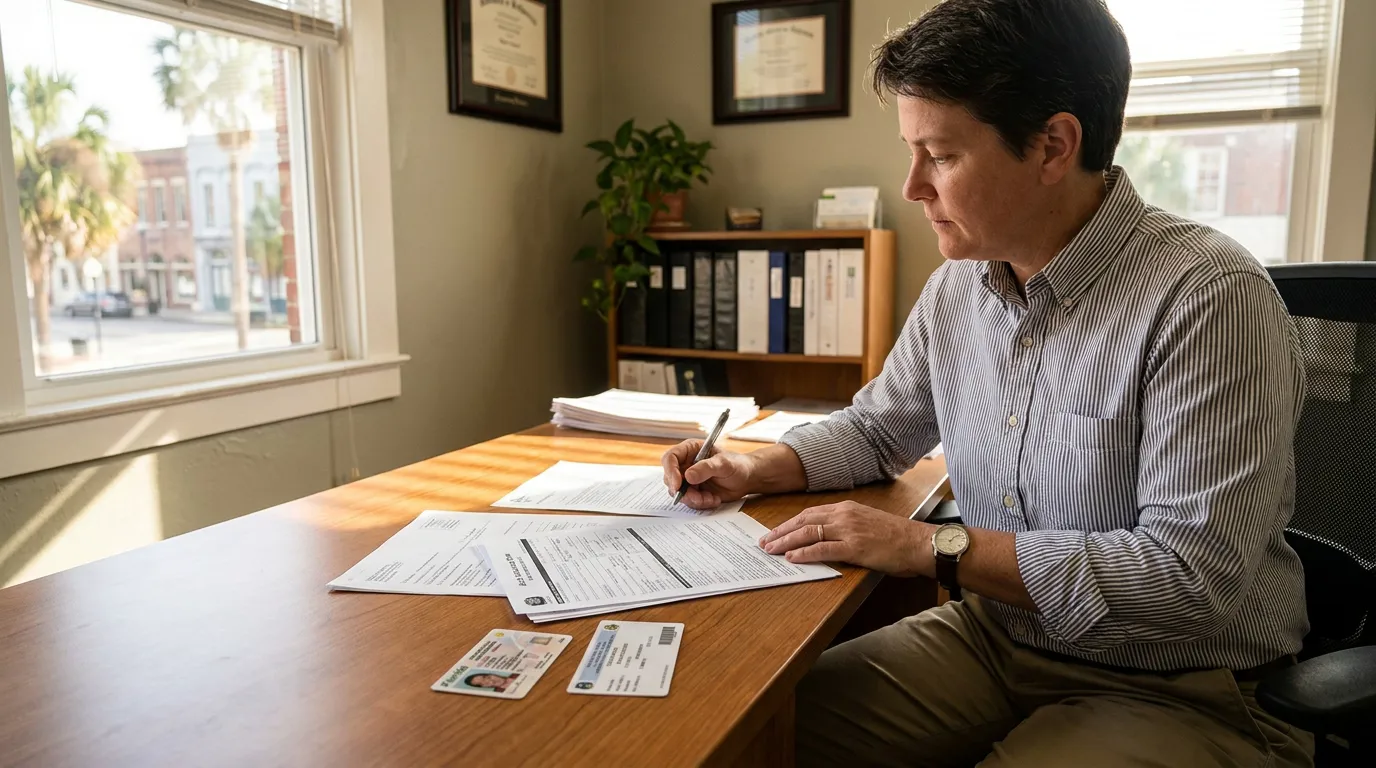
- Seek medical care quickly, even if you feel "okay," and keep every record.
- Report the crash to your PIP insurer promptly to preserve benefits.
💡 Pro Tip: Florida PIP benefits generally require initial medical treatment within 14 days of the crash. Waiting longer can reduce or eliminate coverage you paid for.
How the Florida MVA Claim Process Actually Works
The Florida MVA claim process moves through PIP first, then a liability claim against the at-fault driver when injuries meet Florida’s threshold. Your PIP coverage pays a set portion of medical expenses and lost income regardless of fault. When injuries are significant or permanent, Florida law allows pursuit of the negligent driver for additional damages.
Proving liability requires establishing negligence: duty, breach, causation, and damages. Under Fla. Stat. §768.81(1)(b), recoverable economic damages include past and future lost income reduced to present value, medical and funeral expenses, lost support and services, and replacement value of lost personal property. Documenting each category builds a full picture of crash costs.
💡 Pro Tip: Keep a crash folder from day one. Bills, mileage to appointments, pay stubs showing missed work, and daily notes about pain and limitations all become evidence of losses.
Deadlines You Cannot Afford to Miss
Florida sets firm deadlines for filing injury lawsuits, and missing them can permanently end strong cases. For most negligence-based crash claims, the current deadline is short. An action founded on negligence must generally be commenced within two years, reduced from four years by HB 837 for causes of action accruing on or after March 24, 2023. Review the governing language in Florida’s official statute of limitations for negligence claims, which places the negligence deadline in section 95.11(5)(a).
The statute carves out different periods for other injury types. Product-liability injury claims generally carry a four-year window, while medical malpractice claims must typically be commenced within two years, and in no event later than four years, extendable to seven years in cases of fraud, concealment, or intentional misrepresentation. Courts interpret these exceptions narrowly, so tolling or discovery rules should never be assumed.
💡 Pro Tip: If a government vehicle was involved in your Escambia County car accident, different rules apply. Written pre-suit notice must generally be presented to the appropriate agency, typically within three years, before any lawsuit can proceed under Fla. Stat. §768.28(6)(a).
When the Other Side Blames You: Comparative Fault
Since HB 837, Florida uses modified comparative fault, so being partly at fault does not automatically end your claim, but can reduce or eliminate recovery. Under Fla. Stat. §768.81(2), contributory fault diminishes damages awarded proportionally to your share of fault. However, for causes of action accruing on or after March 24, 2023, Fla. Stat. §768.81(6) bars recovery entirely if you are found more than 50 percent at fault for your own harm, except medical negligence claims under Chapter 766, which remain under pure comparative fault. If you are 20 percent responsible, recovery is reduced accordingly, but if more than 50 percent at fault, you may recover nothing.
Florida law also affects how multiple defendants pay. Courts enter judgment based on each party’s percentage of fault rather than joint and several liability. A defendant who wants to shift blame to someone not named in the suit must affirmatively plead that nonparty’s fault and prove it at trial. Read the full text of Florida’s comparative negligence statute.
Working With a Motor Vehicle Accident Attorney in Pensacola
A Motor Vehicle Accident attorney in Pensacola helps injured drivers, passengers, motorcyclists, and pedestrians organize evidence, handle adjusters, and keep claims on schedule. Insurers do not always make it easy, and low first offers are common. Having someone who knows local courts and medical providers, and who returns calls, matters when you are hurt and out of work.
The firm handles distracted-driving, drunk-driving, rideshare, commercial truck, motorcycle, pedestrian, and fatal crash cases. Learn more on our car accident injury representation page. Outcomes depend on specific facts, so nothing here should be read as a promise, and it is wise to consult an attorney about your circumstances.
Below is quick reference for the two coverage tracks most Pensacola crash victims encounter.
| Coverage Track | What It Generally Covers | When It Applies |
|---|---|---|
| Florida PIP | Portion of medical bills and lost wages | First, regardless of fault |
| At-fault liability claim | Remaining medical costs, lost income, pain and suffering | When injuries meet Florida’s threshold |
💡 Pro Tip: Before trusting any offer, verify that an insurer or agent is properly licensed through Florida’s official state databases, including the Division of Insurance Agent and Agency Services Licensee Search and the Office of Insurance Regulation’s company search.
Free State Resources for Florida Crash Victims
Florida offers several no-cost official resources while your claim is pending. The Division of Consumer Services runs an Insurance Consumer Helpline staffed by specialists who work directly with carriers on consumer disputes. Find contact options through the state’s insurance consumer assistance resources.
FloridaLawHelp.org offers free information on court processes, legal forms, and lawyer referral programs, and Florida Free Legal Answers is a virtual clinic where licensed attorneys respond to civil legal questions. For plain-language guidance on injury topics, our personal injury blog covers common questions from Panhandle working people. These are helpful starting points but do not replace tailored advice.
Frequently Asked Questions
1. Do I have to use my own insurance first after a Pensacola crash?
Yes. Because Florida is a no-fault state, your PIP coverage generally pays first for a portion of medical bills and lost wages, regardless of fault. A separate liability claim against the at-fault driver may follow when injuries are serious.
2. How long do I have to file a car accident lawsuit in Florida?
For most negligence-based crash claims accruing on or after March 24, 2023, the deadline is generally two years under Fla. Stat. §95.11(5)(a). Certain claims and government-related matters follow different timelines.
3. Can I still recover money if the accident was partly my fault?
In many cases, yes, as long as you are 50 percent or less at fault. Under Fla. Stat. §768.81, your share of fault reduces recovery proportionally, but §768.81(6) bars recovery if you are more than 50 percent at fault in most negligence cases (medical negligence claims are exceptions). The specific percentage depends on evidence.
4. What if a government vehicle was involved?
Florida waives sovereign immunity only to a limited extent under Fla. Stat. §768.28(1), and recovery is generally capped at $200,000 per person and $300,000 per incident, with any excess payable only by legislative action through a claims bill. Written pre-suit notice to the correct agency is usually required.
5. What damages can I claim after a motor vehicle accident?
Economic damages generally include past and future lost income, medical and funeral expenses, lost support and services, and replacement value of lost property. Additional damages depend on case facts.
Moving Forward With Confidence
Filing a motor vehicle accident claim in Pensacola comes down to acting quickly, documenting everything, using PIP coverage correctly, respecting Florida’s deadlines, and understanding how comparative fault shapes recovery. Each step carries its own rules, and your crash facts determine how they fit together. Working knowledge of Florida statutes, paired with local experience, gives injured people a fair shot at full compensation. When in doubt, consult an attorney about your specific situation.
You do not have to sort through this alone while recovering. With more than 26 years serving Pensacola, Escambia County, and the Panhandle, our office is big enough to do the job and small enough to know you by name. Reach out to our Pensacola personal injury and workers’ comp attorneys at The Law Office of JJ Talbott, call (850) 437-9600, or use our online contact form to call us today for a free consultation.