
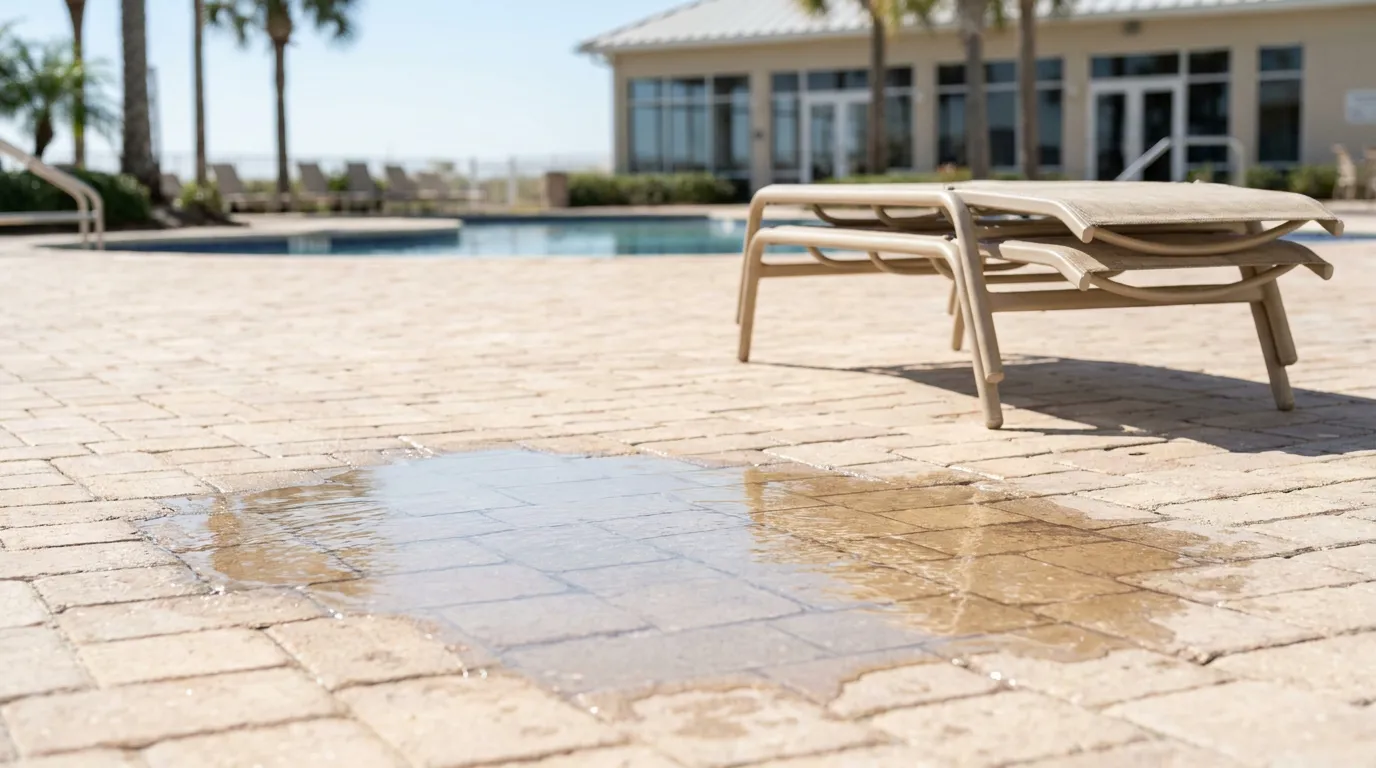
Can a Florida Business Blame You for a Hazard You "Should Have Seen"?
Key Takeaways: In a Florida slip and fall case, the open and obvious defense argues that a property owner did not have to warn you about a danger you could easily have seen yourself. The defense comes from court decisions, not a statute. It usually affects only the duty to warn, so the owner’s separate duty to keep the property reasonably safe may still apply. Insurers often use the defense to push your share of fault above 50 percent, because under Fla. Stat. § 768.81(6) that would generally bar you from recovering anything. Poor lighting, distracting displays, and crowds may help show a danger was not really obvious. For falls on spills in a business, Fla. Stat. § 768.0755 generally requires you to prove the business knew or should have known about the hazard. Most negligence claims arising on or after March 24, 2023 generally must be filed within two years, so gather evidence quickly, be careful with recorded statements, and talk to an attorney early.
Yes, a business may argue that the hazard that hurt you was "open and obvious," but that argument does not automatically end your case. In Florida, the defense generally comes from court decisions, not from a statute. It usually targets the owner’s duty to warn you. The owner’s separate duty to keep the property reasonably safe may still apply. If you got hurt in a fall and the insurance company says you should have watched where you were going, you are not alone. Insurers often raise this defense early, sometimes before anyone has looked closely at the evidence.
If an adjuster has already told you the hazard was "obvious," talk to someone before you accept that answer. Contact the Law Office of J.J. Talbott today or call (850) 437-9600. At The Law Office of JJ Talbott, you talk with JJ directly, and he will give you an honest read on your situation.
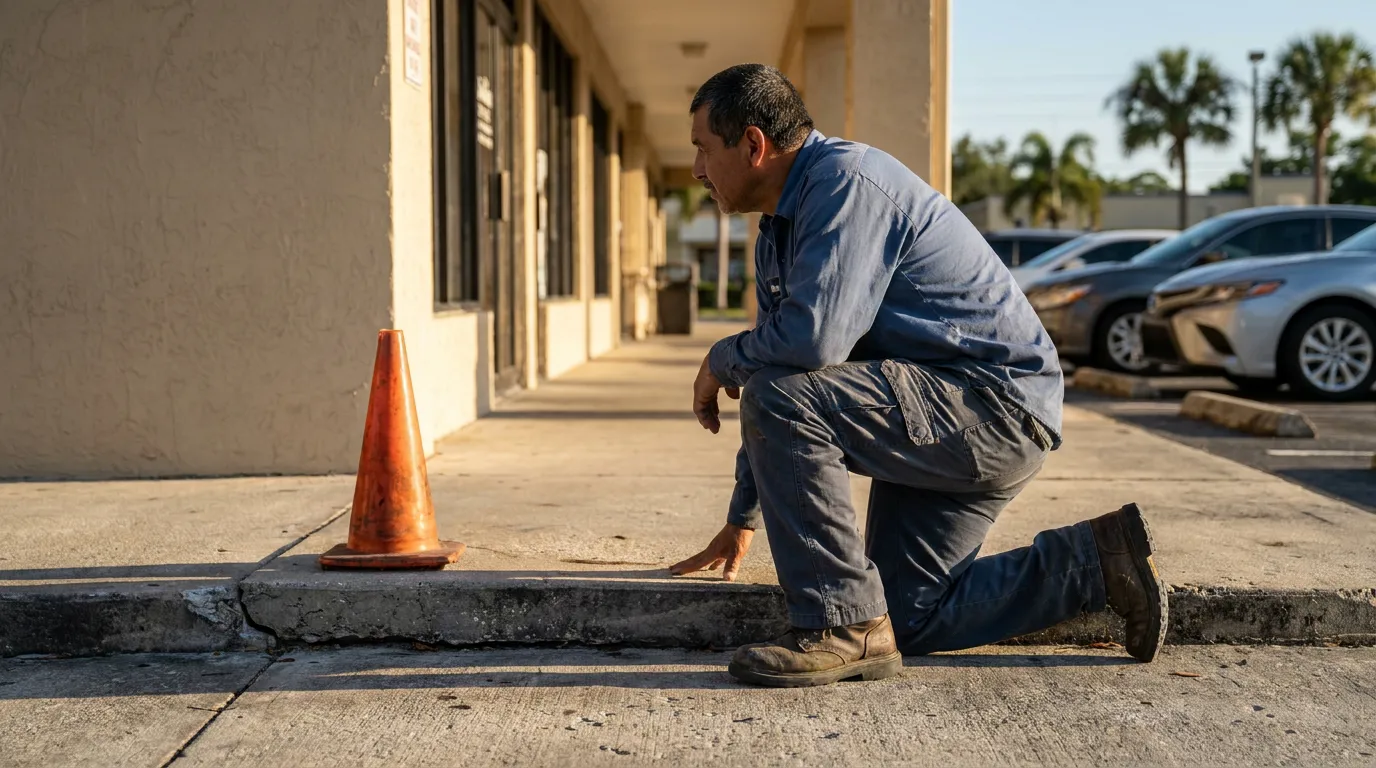
What the Open and Obvious Defense Means
The open and obvious defense says a property owner does not have to warn you about a danger you could easily see for yourself. Defense lawyers also use it to argue that your own carelessness caused or contributed to the fall.
Florida lawmakers have not written a general open and obvious defense into the Florida Statutes. It grew out of court rulings over many years, so the outcome often depends on the facts and on how courts in your district have handled similar cases.
Where the Idea Shows Up in Florida Statutes
The statutes do reflect the idea in at least one place. Under Fla. Stat. § 768.075(3)(b), a property owner generally owes a discovered trespasser only the duty to avoid gross negligence or intentional misconduct and to warn of known dangerous conditions that are not readily observable by others.
Most of our clients were not trespassers. They were customers, guests, or delivery workers who had every right to be there, and Florida law generally gives invited visitors more protection than trespassers.
Two Duties, Not One
Florida property owners generally owe invited visitors two separate duties. One is the duty to warn about hidden dangers the owner knows or should know about. The other is the duty to keep the property in reasonably safe condition.
| Duty | What It Means | Effect of an "Obvious" Hazard |
|---|---|---|
| Duty to warn | Tell visitors about dangers they may not see | May be met if the danger was truly obvious |
| Duty to maintain | Fix or remove dangerous conditions within a reasonable time | May still apply even if the danger was visible |
That difference matters. A torn rug in a busy store entrance may be visible, but courts may still ask why the store left it there for weeks. Some Florida courts have, however, found certain conditions so open and obvious, and so lacking in real danger, that the owner had no liability at all.
How an Open and Obvious Slip and Fall Claim Plays Out in Florida
The defense usually shows up in two ways: to say the owner owed no duty to warn, and to say you were mostly at fault. The second argument often poses the bigger threat to your claim.
Florida’s 51 Percent Bar
Florida uses a modified comparative negligence system under Fla. Stat. § 768.81(6), which applies to negligence actions filed after March 24, 2023. If the jury finds you more than 50 percent at fault for your own harm, you generally cannot recover any damages. If you are 50 percent or less at fault, the court generally reduces your recovery by your share of fault.
Insurance companies know this rule well. When they argue a hazard was open and obvious, they often want to push your share of the blame over that 50 percent line. The bar does not apply to medical negligence claims under Chapter 766, but it generally applies to ordinary Florida premises liability claims like slip and falls.
If you fell across the state line in South Alabama, the rules may be harsher. Alabama generally follows pure contributory negligence, which can bar recovery if you are even slightly at fault, with few exceptions.
Proving the Business Knew About the Hazard
For falls on a "transitory foreign substance" in a business, like a spill or loose debris, Fla. Stat. § 768.0755(1) puts the burden on you. You must show the business knew or should have known about the dangerous condition and should have fixed it.
Under Fla. Stat. § 768.0755(1)(a)-(b), you can use indirect evidence. You may show the condition existed long enough that the business should have found it with ordinary care, or that it happened regularly, so the business could have expected it. Our guide on constructive notice explains this in more detail.
Fla. Stat. § 768.0755(2) also says the statute does not affect any common-law duty of care a business owes.
Why "You Should Have Seen It" Is Not the Whole Story
A hazard that looks obvious in a photo taken later may not have been obvious when you fell. Adjusters like to show a well-lit picture of a spill and ask how anyone could miss it. Real life is messier.
Courts may consider many factors when deciding whether a danger was truly open and obvious:
- Lighting at the time of the fall
- Whether store displays or signs drew your attention away
- Whether the hazard blended in with the floor color or pattern
- Crowds, carts, or objects blocking your view
- Whether you were carrying items that blocked your view
Distractions the business created may carry real weight. Stores design aisles and displays to catch your eye, and Florida courts have recognized that an owner may reasonably expect shoppers to look at the shelves rather than the floor.
💡 Pro Tip: As soon as you can, write down exactly what you were looking at and carrying when you fell. These details fade quickly and often help answer the "why didn’t you see it?" question.
What Insurance Companies Typically Do With This Defense
In our experience, insurers often raise the defense before they have reviewed any security video or maintenance logs. Many injured people hear it once and assume they have no claim.
A common mistake is giving a recorded statement too soon. An adjuster may ask friendly questions like "Was the area well lit?" or "Were you looking at your phone?" The insurer may later use your answers to argue that you were careless.
Another common mistake is waiting too long to gather evidence. Stores may record over security video, and workers often mop up spills within minutes. Photos of the lighting, the floor, and any missing warning signs may make a real difference.
💡 Pro Tip: If you can, ask a witness for their name and phone number before you leave. A neutral witness who says "I didn’t see it either" may help you fight an open and obvious argument.
Deadlines That Can Affect Your Florida Slip and Fall Case
Under Fla. Stat. § 95.11, as amended by House Bill 837 and effective March 24, 2023, negligence claims accruing on or after that date, including most slip and fall claims, generally must be filed within two years. Claims that accrued before that date generally fall under the prior four-year deadline. Note that a 2024 renumbering of section 95.11 means this two-year negligence provision is now codified at Fla. Stat. § 95.11(5)(a) rather than the (4)(a) subsection used in the original 2023 version. Evidence about how visible a hazard was tends to disappear fast, so do not wait until the deadline is close to start building your case.
Wrongful death claims also generally have a two-year deadline from the date of death, now codified at Fla. Stat. § 95.11(5)(e). Claims against government entities have separate rules, including a written notice you must send before suing under Fla. Stat. § 768.28(6). Talk with an attorney about which rules may apply to you.
Why a Small Pensacola Firm Can Make a Difference
Our team is just two people: JJ and his paralegal, Kristie. When you call, you talk to the attorney handling your case, not a call center.
JJ has practiced in the Pensacola area for over 26 years. He knows the local courts and the insurance adjusters who handle these claims. Our open and obvious slip and fall lawyer page explains how we handle these claims.
💡 Pro Tip: Keep every medical record and bill from the start. The defense will often focus on fault, but you still need clear proof of your injuries and costs.
Frequently Asked Questions
1. Does an open and obvious hazard mean I automatically lose my case?
No. An obvious danger may satisfy the owner’s duty to warn, but the duty to keep the property reasonably safe may still apply. The outcome generally depends on the facts.
2. Can I still recover money if I was partly at fault?
In many cases, yes. Under Fla. Stat. § 768.81(6), you may recover if you are 50 percent or less at fault, with your award reduced by your share. If a jury finds you more than 50 percent at fault, you generally cannot recover.
3. What if I fell on a spill in a grocery store?
Fla. Stat. § 768.0755(1) requires you to prove the store knew or should have known about the spill. Evidence of how long it was there, or how often spills happen in that spot, may help.
4. How long do I have to file a slip and fall lawsuit in Florida?
You generally must file most negligence claims accruing on or after March 24, 2023 within two years under Fla. Stat. § 95.11(5)(a) (previously cited as § 95.11(4)(a) before a 2024 renumbering). Older claims, claims against government entities, and some other cases have different rules or extra notice steps.
5. Should I talk to the store’s insurance company?
You may want to speak with an attorney first. Adjusters often ask questions meant to support an open and obvious defense. They may use anything you say to shift blame onto you.
Getting Honest Answers After a Fall
The open and obvious defense is one of the most common arguments in a Florida slip and fall case, but it is rarely as simple as the insurance company makes it sound.
If you were hurt in a fall in Pensacola or Northwest Florida, you deserve a straight answer about where you stand. Call us today for a free consultation at (850) 437-9600, or reach out to our team online. At The Law Office of JJ Talbott, you will talk with JJ directly, and he will tell you honestly what he thinks.
Disclaimer: This content is for informational purposes only and is not legal advice. Every case is unique, and results may vary. Consult an attorney about your specific circumstances.