
A crash scene changes fast. Vehicles are moved, skid marks fade, nearby cameras record over old footage, and the other driver may tell a very different story by the time an insurance adjuster calls. The best evidence after a crash is often the evidence gathered or protected in the first hours and days – before it disappears.
If you were hurt in Northwest Florida or South Alabama, you do not need to investigate your case alone. But knowing what to save can protect your ability to recover compensation for medical care, lost income, pain, and the other losses a serious collision can cause.
The Best Evidence After a Crash Starts at the Scene
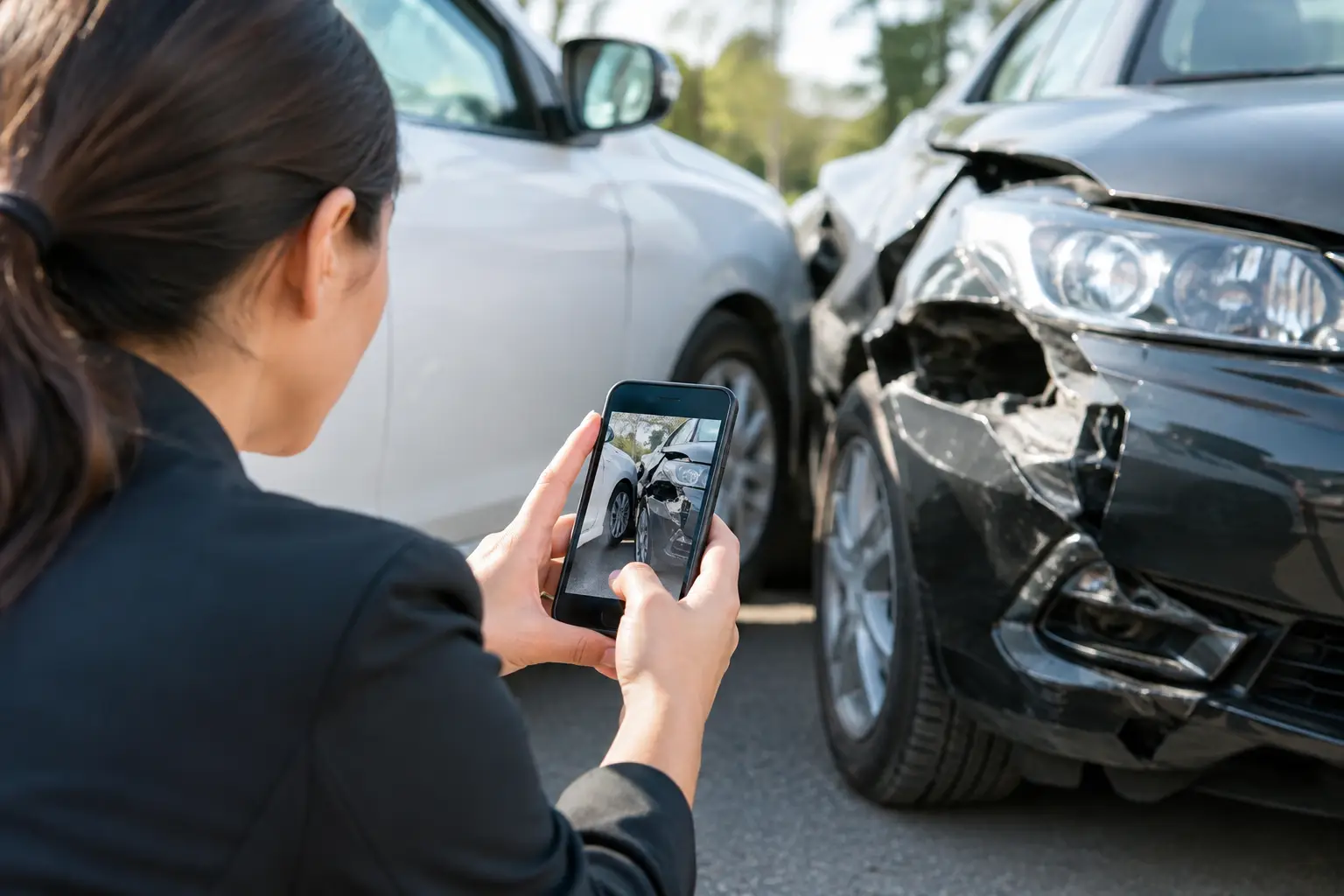
Your health comes first. Call 911, accept medical help when it is offered, and do not put yourself in danger to collect information. If you can safely do so, however, use your phone to document the scene before the vehicles are towed or traffic clears.
Photographs and video can show details that a written report may not capture: the final position of the vehicles, lane markings, traffic signals, debris, broken glass, weather conditions, visibility, and damage from several angles. Take wide shots that show the whole intersection or roadway, then move closer to document each vehicle’s damage, license plate, and any relevant road hazard.
Do not limit your photos to the cars. Photograph visible injuries, torn or bloodied clothing, deployed airbags, damaged helmets, child seats, and personal property. If a motorcycle, bicycle, commercial vehicle, or pedestrian was involved, the evidence may look different, but the principle stays the same: preserve the physical facts before someone can dispute them.
Get information without arguing about fault
Exchange insurance and contact information with the other driver, but avoid debating what happened. A roadside argument will not help your claim, and an apology can be misinterpreted later. Give law enforcement a clear, honest account of what you saw, then ask how to obtain the crash report once it is available.
If witnesses stopped, ask for their names, phone numbers, and email addresses. Independent witnesses can be especially valuable when drivers disagree about a red light, a sudden lane change, speeding, or whether someone was distracted. People who mean well may be hard to locate later, so do not assume the police report will contain every witness’s full statement.
Medical Records Connect the Collision to Your Injuries
Insurance companies regularly argue that an injured person was not seriously hurt, had a preexisting condition, or waited too long to seek treatment. Prompt medical care creates a record of your symptoms and gives you the treatment you need.
In Florida, timely treatment matters for more than your health. Personal Injury Protection benefits can be affected if you do not receive initial medical services within 14 days after a crash. That does not mean every pain or injury is obvious on day one. Whiplash, concussions, back injuries, and soft-tissue damage can worsen over time. It does mean you should not wait and hope the pain will simply disappear.
Tell your doctor, urgent care provider, or emergency room team exactly what hurts and how the crash happened. Follow through with recommended care, keep appointment records, save prescription receipts, and do not minimize symptoms out of politeness. A gap in treatment gives an insurer room to question whether the crash caused your condition.
Your medical evidence may include emergency records, imaging, treatment notes, physical therapy records, bills, and documentation of future care needs. It can also include a journal showing how the injury affects sleep, work, household tasks, mobility, and time with your family. The medical chart explains the diagnosis. Your daily record helps show the human cost.
Preserve Digital Evidence Before It Is Gone
Modern crash cases often turn on information that did not exist a generation ago. A dash camera can capture the seconds before impact. A vehicle’s event data recorder may contain information about speed, braking, steering, or seat belt use. A nearby business, apartment complex, or home may have surveillance video pointed toward the road.
That footage is not guaranteed to stay available. Some systems overwrite recordings within days. If you know of a camera near the crash site, write down its location right away. Do not assume the owner has to hand over footage to you, but a lawyer can move quickly to request preservation of relevant evidence.
Save your own digital information, too. Keep the original photos and videos rather than relying only on screenshots or social media uploads. Back them up. Preserve dashcam files in their original format. Keep call logs, text messages, and rideshare records if they are relevant to the collision.
Be careful with your phone. Do not delete posts, messages, or location information because you are worried they might be misunderstood. Deleting material after a claim begins can create a bigger problem. Instead, speak with an attorney about what should be preserved and how it may affect your case.
The Vehicle Itself May Be Critical Evidence
Do not authorize repairs, disposal, or destruction of your vehicle until you understand whether it needs to be inspected. In many cases, photographs and repair estimates are enough. In a disputed crash, a catastrophic injury case, or a claim involving a defective part, the vehicle’s condition can become central evidence.
Damage patterns can help reconstruct how a collision occurred. Airbag modules, brake components, tires, lights, and safety systems may also matter. This is particularly true when the other driver claims an unavoidable emergency, when a truck or company vehicle is involved, or when a vehicle defect may have contributed to the crash.
The same applies to personal items. Keep a damaged motorcycle helmet, car seat, clothing, or bicycle unless your lawyer tells you otherwise. Replacing those items may be necessary, but take detailed photos first and preserve the originals when possible.
Documentation of Financial Losses Strengthens Your Claim
A fair claim is not limited to the first ambulance bill. A collision can keep you from working, force you to use paid help at home, or leave you with transportation costs while your car is unavailable. Save documents that show those losses as they occur.
Keep medical bills, health insurance explanations of benefits, pharmacy receipts, mileage records for medical appointments, towing and storage invoices, rental car expenses, and repair estimates. If you miss work, ask your employer for documentation of missed time, lost wages, available sick leave used, and any change in duties or hours.
For self-employed workers, the proof may look different. Preserve canceled jobs, invoices, tax records, client communications, and calendars that show work you could not perform. The goal is not to guess at a number. It is to build a clear record of what the crash took from you.
What Can Hurt an Otherwise Strong Crash Claim
Good evidence is about more than what you collect. It is also about avoiding mistakes that insurers use against injured people.
Do not give a recorded statement to the other driver’s insurance company without understanding the purpose and risk. Adjusters are trained to ask questions that can narrow or weaken a claim. Do not sign a broad medical authorization or accept a quick settlement just because bills are arriving. A fast offer may not account for treatment you will need later.
Also, stay off social media as much as possible while your case is pending. A photo that looks harmless can be presented without context. Even a comment such as “I am okay” may be used to challenge the severity of your injuries. Privacy settings are not a guarantee that a post will stay private.
Florida follows a modified comparative negligence rule in most injury cases. That means fault can matter greatly, and a person found more than 50% responsible may be barred from recovering damages. The facts, available evidence, and applicable exceptions all matter. That is one reason early investigation is not a luxury after a serious collision.
Get Help Before the Evidence Window Closes
You should be focused on healing, not chasing surveillance video, interpreting insurance paperwork, or arguing with an adjuster about what your injuries are worth. An experienced injury lawyer can investigate the crash, preserve evidence, identify all responsible parties, and build the case needed to demand full compensation.
The Law Office of J.J. Talbott fights for injured people and their families across Northwest Florida with the urgency these cases require. If a crash has turned your life upside down, protect what you can today: get medical care, save the records in your hands, and ask for help before the evidence that could prove your case is gone.