
Understanding Who Pays When You Fall in a Florida Grocery Store
Key Takeaways: When you slip and fall in a Pensacola grocery store, the property controller is usually liable, but only if you prove they knew or should have known about the hazard under Fla. Stat. §768.0755. A fall alone does not win your case; you must show actual or constructive knowledge through surveillance footage, maintenance logs, and evidence the spill existed long enough to be discovered or recurred predictably. Liability can extend to building owners, management companies, or cleaning contractors depending on control. As a paying customer, you are an invitee owed the highest duty of care. Florida’s modified comparative negligence rule can reduce or bar recovery if you are partly at fault, and filing deadlines make acting quickly essential.
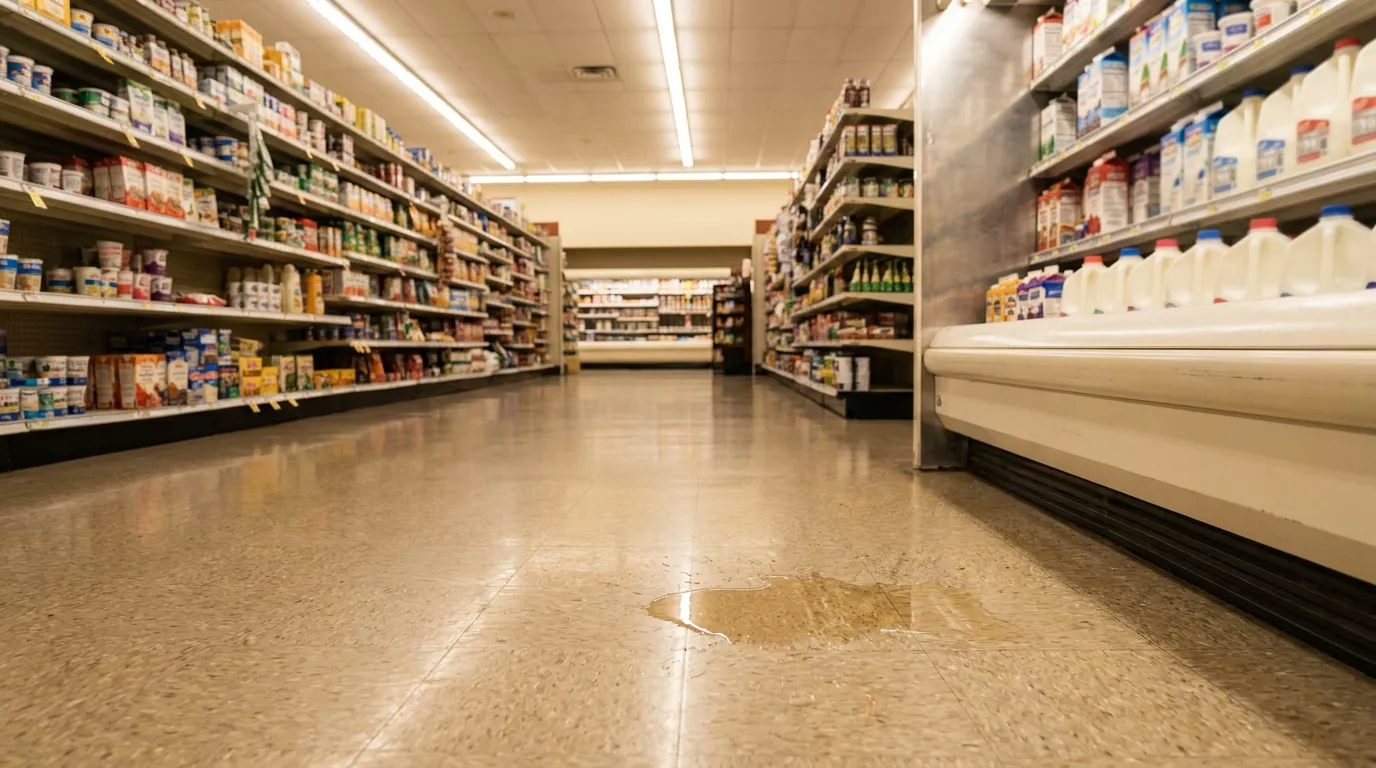
When you slip and fall in a Pensacola grocery store, the party responsible is usually the business that controlled the property, but only if you can prove they knew or should have known about the hazard. A wet floor, dropped grape, or leaking freezer can put you on your back in seconds. Determining legal liability comes down to Florida’s rules on notice, negligence, and premises liability.
At the Law Office of JJ Talbott, our two-person team of JJ and his paralegal Kristie has spent 26-plus years helping injured working families in Northwest Florida. If you were hurt in a store fall, contact us now through our Pensacola injury firm or call (850) 437-9600 for an honest assessment.
Why "Slipping" Alone Does Not Win Your Case
A fall by itself does not automatically make the grocery store liable in Florida. The law requires the injured customer to prove the business had actual or constructive knowledge of the dangerous condition and should have taken action to remedy it.
That standard comes from Fla. Stat. §768.0755, titled "Premises liability for transitory foreign substances in a business establishment." A "transitory foreign substance", a term used in the statute but defined through Florida case law, including Owens v. Publix Supermarkets, Inc., 802 So.2d 315 (Fla. 2001), to mean any liquid or solid substance, item, or object located where it does not belong, covers spilled liquid, dropped food, or anything out of place on the floor. This is why documentation matters so much.
💡 Pro Tip: Right after a fall, use your phone to photograph the spill, the surrounding area, and any missing "wet floor" signs before an employee cleans it up. That evidence often disappears within minutes.
The Two Ways to Prove the Store "Should Have Known"
Since stores rarely admit they knew about a hazard, most cases turn on constructive knowledge. Constructive knowledge may be proven by circumstantial evidence showing the condition existed for such a length of time that, in the exercise of ordinary care, the business should have known of it, or that the condition occurred with regularity and was foreseeable.
You generally need to show one of the following:
- The spill sat long enough that a reasonable store should have found and cleaned it (dried edges, cart tracks, or footprints through it).
- The hazard happened often enough to be predictable, like a produce misting station that regularly leaves puddles.
Surveillance footage and maintenance logs become critical here. Time-stamped video can show how long a puddle sat untouched, and cleaning logs can reveal whether staff skipped inspection rounds. These records tend to vanish or get overwritten, so acting quickly protects your claim.
Which Parties Can Be Held Responsible for a Store Fall Injury in Pensacola
Liability generally falls on whoever controlled the property where you were hurt. As Justia’s premises liability overview explains, premises liability
is a part of personal injury law that holds parties in control of property accountable for hazardous conditions that cause harm.
More than one party may share responsibility. The store operator is the most common defendant, but the building owner, management company, or cleaning contractor could also be involved. These duties are grounded in Florida common law premises liability principles and statutory provisions in Chapter 768, including the transitory-substance standard in Fla. Stat. §768.0755.
Where several parties controlled the space, fault becomes more complicated. Florida has largely eliminated joint and several liability, so each defendant is generally responsible only for its own share of fault. Which parties are truly liable is fact-dependent.
You Are an Invitee, and That Matters
As a paying customer, you hold the strongest legal status a visitor can have. Florida law distinguishes among invitees, licensees, and trespassers, with trespasser-specific protections in Fla. Stat. §768.075. According to Justia,
invitees have the highest level of protection; an invitee is usually someone invited onto the property for the possessor’s commercial benefit, like a customer in a retail store, and the owner must inspect, repair, and warn.
This means the store owes you an active duty. They must look for dangers, fix them promptly, and warn you about hazards they cannot fix immediately. When they fail and you get hurt, property owner liability in Florida can attach.
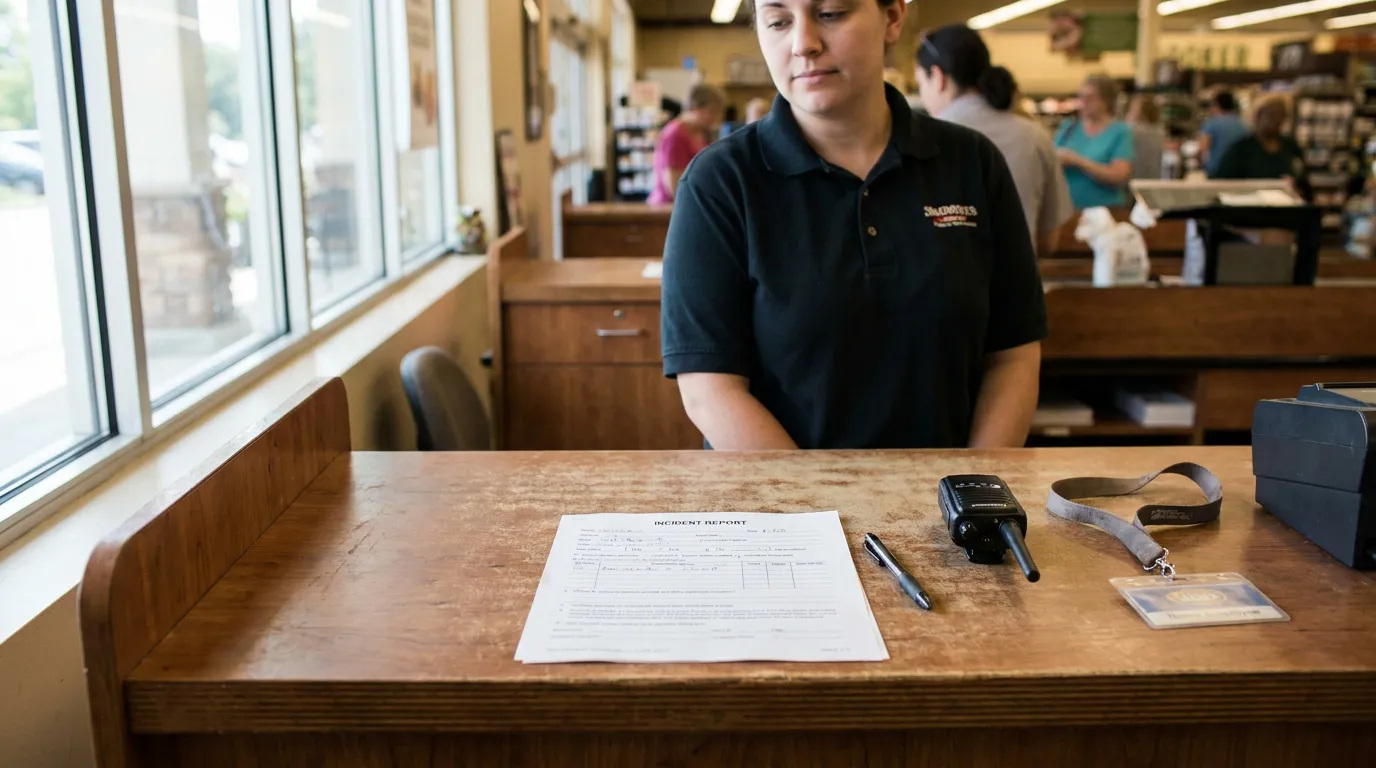
💡 Pro Tip: Always ask a manager to fill out a written incident report before you leave the store, and request a copy. If they will not give you one, note the names of the employees you spoke with.
How Comparative Fault Can Shrink Your Recovery
Even a strong claim can be reduced if the store argues you were partly at fault. Florida follows a modified comparative negligence rule under Fla. Stat. §768.81.
Since a 2023 amendment, this rule carries real teeth. A claimant found more than 50% at fault is generally barred from recovering damages. If you are found partly responsible but under that threshold, your compensation is reduced by your percentage of fault.
Stores and their insurers use these rules aggressively. Common defenses include comparative fault, the open and obvious doctrine, assumption of risk, and statute of limitations. Anticipating these arguments early is core to building a claim.
| Defense the Store May Raise | What It Argues |
|---|---|
| Comparative fault | You share blame, so recovery is reduced or barred |
| Open and obvious | The hazard was so visible you should have avoided it |
| Assumption of risk | You knowingly accepted a known danger |
| Statute of limitations | You waited too long to file |
How a Slip and Fall Attorney in Pensacola Can Help You Prove Notice
Proving store notice is rarely something an injured person can do alone. The evidence that wins these cases is often held by the store itself. A slip and fall attorney in Pensacola can send preservation letters to stop footage from being erased and request maintenance records that show inspection gaps.
Our team focuses on the details that matter under Florida law. We work to establish duty, breach, causation, and damages through photos, incident reports, witness statements, and medical records. Read more practical guidance on our Pensacola premises liability page.
💡 Pro Tip: See a doctor the same day, even if you feel "just sore." Insurers routinely argue that a gap between your fall and your first medical visit means you were not really hurt.
Insurance companies handle most of these claims, and they are not on your side. As Justia notes,
most premises liability claims are paid by insurance policies, with commercial general liability policies covering on-property injuries, and claimants dealing with the owner’s insurer.
Adjusters often call quickly with low offers, hoping you settle before understanding your injury’s value.
Not sure if your case qualifies? Call us and we will tell you honestly. JJ does not tell people what they want to hear. If a case is not strong, he will say so.
Don’t Wait Too Long to Act
Florida sets firm deadlines for filing a slip and fall lawsuit. For incidents occurring on or after March 24, 2023, the deadline is two years from the date of injury; for incidents before that date, the deadline is four years. Claims against government entities under Florida Statute Section 768.28 require pre-suit written notice within three years, followed by a mandatory 180-day investigation period before a lawsuit can be filed.
In Florida, a 2023 reform shortened the deadline for most general negligence claims accruing on or after March 24, 2023, so confirming your exact deadline with a lawyer is essential.
Deadlines are interpreted narrowly, so do not assume you have extra time. If your fall happened on government property, additional notice requirements may apply. Confirm your exact deadline with a lawyer rather than guessing. For more reading, browse our resources on slip and fall Florida law.
Frequently Asked Questions
1. Is the grocery store automatically liable because I fell on their floor?
No. Under Fla. Stat. §768.0755, you must prove the store had actual or constructive knowledge of the hazard and failed to fix it. Simply slipping is not enough.
2. What if I was partly looking at my phone when I fell?
You may still recover, but your compensation could be reduced. Under Fla. Stat. §768.81, fault is divided between you and the store, and a claimant found more than 50% at fault is generally barred from recovering.
3. How do I prove the store should have known about the spill?
Through circumstantial evidence. Fla. Stat. §768.0755(1) allows you to show the condition existed long enough to be discovered, or that it happened with regularity and was foreseeable. Surveillance video and cleaning logs are often the strongest proof.
4. How long do I have to file a slip and fall claim in Florida?
Deadlines vary and exceptions are read narrowly. For most Florida negligence claims accruing on or after March 24, 2023, the filing period is two years, while incidents before that date carry a four-year deadline. Government entity claims under Florida Statute Section 768.28 require pre-suit written notice within three years, followed by a mandatory 180-day investigation period. Confirm your deadline with an attorney promptly.
5. Will I have to go to court?
Not necessarily. Many premises liability claims settle with the store’s insurer, though some proceed to litigation when the insurer refuses fair value.
Getting Honest Answers About Your Grocery Store Fall
Liability for a Pensacola grocery store fall comes down to control of the property and proof of notice under Florida law. The store must have known, or reasonably should have known, about the hazard. Between comparative fault rules, tight deadlines, and insurers who move fast, these claims reward people who act quickly and preserve evidence.
You do not have to figure this out on your own while hurt and out of work. Reach out to our Pensacola personal injury attorneys at the Law Office of JJ Talbott, call (850) 437-9600, or send us your details today. We are big enough to do the job and small enough to care, and JJ will give you a straight answer about where you stand.