
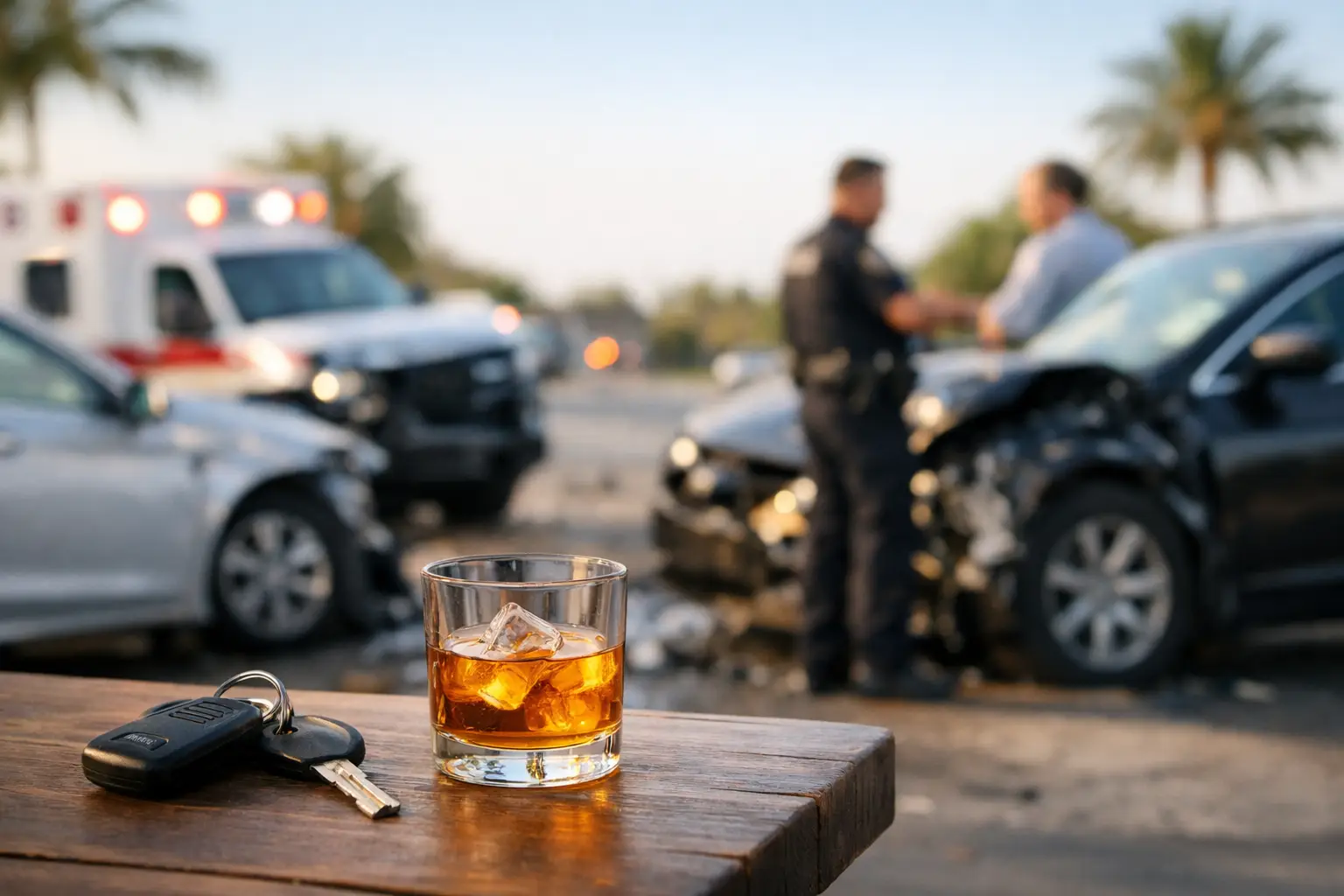
A drunk driver can turn an ordinary trip home into an ambulance ride, a stack of medical bills, and months of uncertainty. If you are asking, can I sue a drunk driver after a Florida crash, the answer is generally yes. A criminal DUI charge does not take away your right to pursue a civil claim for the harm that driver caused.
You should not have to carry the financial burden of someone else’s decision to drive impaired. A personal injury claim can seek compensation for your medical care, missed income, pain, and the ways a serious injury changes daily life. The facts matter, and fast action can make a real difference in the strength of your case.
Can I Sue a Drunk Driver in Florida?
Yes. In Florida, a driver who causes a crash while impaired may be legally responsible for injuries and property damage caused by their negligence. Driving under the influence can be powerful evidence that the driver failed to use reasonable care behind the wheel.
A civil case is separate from the criminal DUI case. The prosecutor’s job is to pursue criminal penalties such as jail time, probation, fines, or license suspension. Your injury claim is about recovering compensation for your losses. You do not have to wait for a criminal conviction before taking steps to protect a civil claim, and you may still have a case even if the criminal charge is reduced or dismissed.
That distinction matters because criminal cases and injury claims operate under different rules and burdens of proof. A drunk driver may face a DUI prosecution, but the insurance company can still dispute the severity of your injuries, argue about fault, or offer far less than your claim is worth. That is where experienced legal representation becomes critical.
What Compensation Can You Seek After a DUI Crash?
The value of a claim depends on the injuries, available insurance coverage, evidence, and the impact the collision has had on your life. A serious crash can create losses that extend well beyond the emergency room.
You may be entitled to recover medical expenses, including ambulance care, hospital treatment, surgery, physical therapy, prescriptions, and future medical needs. If the crash kept you from working, a claim may also include lost wages and reduced earning ability. For many injured people, pain, emotional distress, disfigurement, disability, and the loss of enjoyment of life are just as significant as the bills arriving in the mail.
If a drunk driver killed a loved one, surviving family members may have a wrongful death claim. Depending on the circumstances, compensation may address funeral expenses, lost financial support, loss of companionship, mental pain and suffering, and other damages allowed under Florida law.
In some DUI cases, punitive damages may be available. These damages are intended to punish especially reckless behavior and discourage similar conduct. They are not automatic simply because alcohol was involved. Florida law places specific requirements on punitive damage claims, but evidence of extreme intoxication, dangerous driving, prior conduct, or other aggravating facts can make the issue worth careful investigation.
The Drunk Driver May Not Be the Only Responsible Party
The impaired driver is usually the first person or entity examined, but a full investigation should not stop there. Some crashes involve additional parties whose negligence contributed to the harm.
For example, the owner of a vehicle may be responsible in certain circumstances, particularly when they allowed an unsafe driver to use their car. If the drunk driver was working at the time of the crash, an employer could be liable depending on the employee’s job duties and the facts surrounding the collision. Claims involving company vehicles, delivery drivers, or commercial transportation often require a deeper review of records and insurance coverage.
Florida’s dram shop law is narrow, but it can apply in limited situations. A bar, restaurant, party host, or other person who furnished alcohol may be liable if they willfully and unlawfully provided alcohol to someone under the legal drinking age or knowingly served a person who was habitually addicted to alcohol. Simply showing that a business served an adult who later drove drunk is usually not enough under Florida law.
These details are why it is risky to assume the police report tells the whole story. Video footage, witness statements, receipts, phone records, vehicle data, and business records can reveal facts that are not obvious in the first days after a crash.
Evidence That Can Strengthen Your Claim
Evidence can disappear quickly after a DUI collision. Surveillance video may be overwritten. Vehicles may be repaired or declared a total loss. Witnesses may become harder to locate, and memories can fade.
A strong case may include the crash report, DUI arrest records, field sobriety test results, breath or blood test evidence, body camera footage, photographs of the scene, and statements from witnesses. Your medical records are equally important because they connect the crash to your injuries and show the treatment you need to recover.
Follow your doctor’s instructions and keep records of appointments, medications, time missed from work, and daily limitations. You do not need to turn your life into a legal project, but documenting the reality of your recovery can protect you when an insurer tries to minimize what you have been through.
Be careful with insurance adjusters. Their questions may sound routine, but an early recorded statement can be used to limit your claim before you know the full extent of your injuries. It is reasonable to report the collision, but you do not have to accept a quick settlement or give a detailed statement before speaking with a lawyer.
Florida Deadlines and Fault Rules Matter
Florida generally gives injured people two years from the date of a crash to file a negligence lawsuit. Wrongful death claims generally have a two-year deadline as well. Certain situations can change the deadline, so do not treat any general rule as a reason to wait.
Waiting can cost you more than time. A delay may make it harder to preserve evidence and identify every source of insurance coverage. It may also give the insurance company more room to argue that your injuries came from something other than the crash.
Florida also follows a modified comparative negligence system in most injury cases. If you are found partly at fault, your compensation may be reduced by your percentage of fault. If you are found more than 50 percent at fault, you may be barred from recovering damages in many cases. An impaired driver’s DUI is serious evidence, but insurers may still claim you were speeding, distracted, failed to wear a seat belt, or contributed to the collision in another way.
That does not mean their argument is right. It means your side needs to be prepared with facts, evidence, and a clear account of what happened.
Insurance May Be the Immediate Fight
The drunk driver’s liability insurance is often the first place to look for recovery, but policy limits may not cover a catastrophic injury. Florida drivers are not required to carry bodily injury liability coverage in every situation, which can create another layer of stress after a serious wreck.
Your own uninsured or underinsured motorist coverage may be available if the at-fault driver has no insurance or too little coverage. Other coverage may apply depending on who owned the vehicle, whether the driver was working, and whether other liable parties exist. A lawyer can review policies, identify potential coverage, and keep insurers from pushing you into an unfair settlement.
What to Do Now
Get medical attention, even if you believe the pain will pass. Adrenaline can hide serious injuries in the hours after a collision. Report the crash, preserve photos and contact information, and avoid posting details about the wreck or your recovery on social media.
Then get answers before you sign away your rights. The Law Office of J.J. Talbott fights for injured people across Northwest Florida with the urgency, personal attention, and trial-ready preparation serious cases demand. A consultation can help you understand who may be liable, what evidence needs to be protected, and what a fair recovery could look like.
You did not choose to share the road with an impaired driver. But you can choose to protect yourself, your family, and your future before the evidence and your legal options start to disappear.