
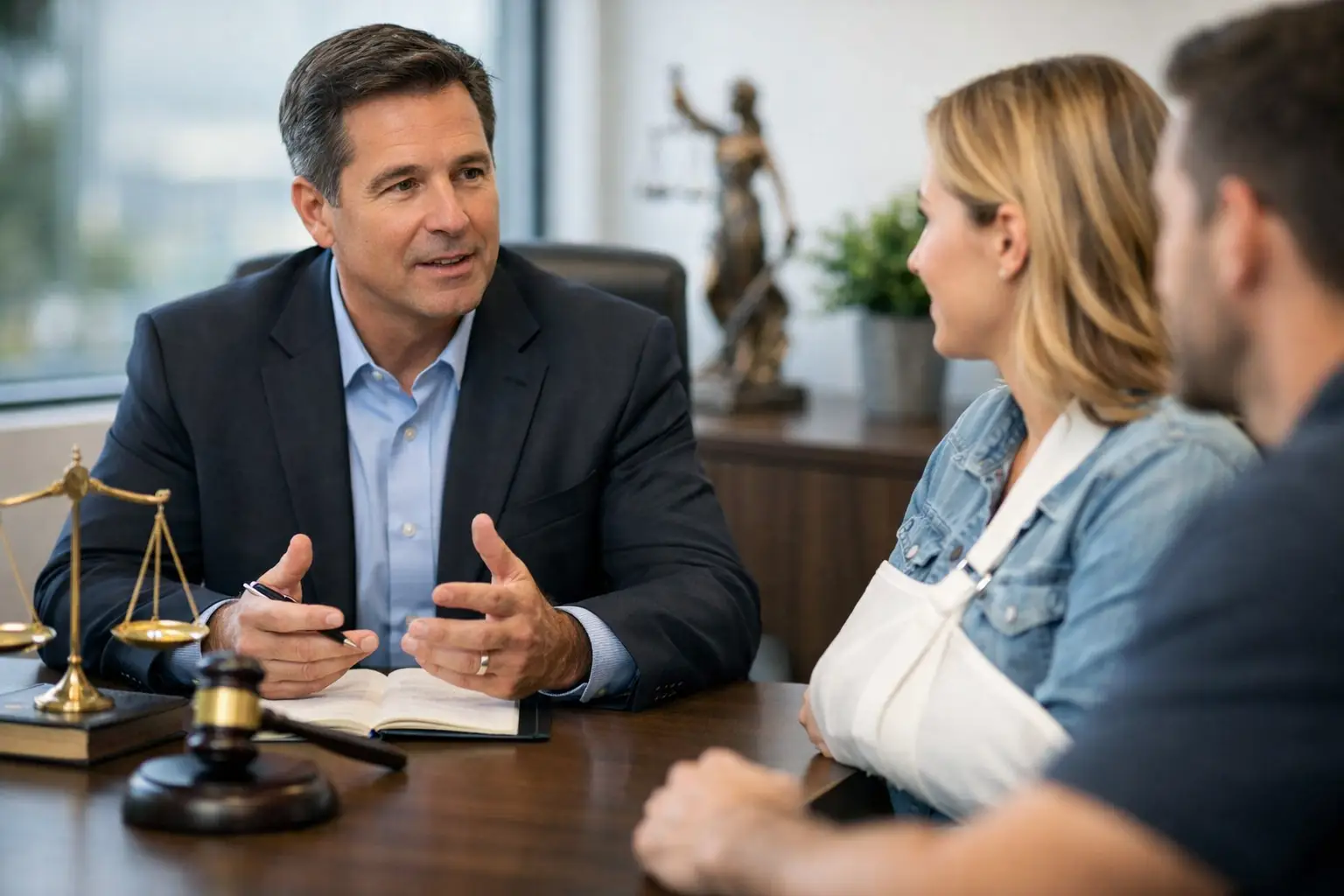
The days after an accident can feel like a second injury. You may be in pain, missing work, dealing with medical appointments, and getting calls from an insurance company that seems ready to move faster than you can think. A free consultation injury lawyer gives you a chance to get clear answers before you say something that could hurt your claim or accept a settlement that does not cover what this accident has truly cost you.
For injured people in Northwest Florida, that conversation should feel straightforward. You deserve to know where you stand, what your options are, and whether a lawyer is prepared to fight for you. You should not have to pay just to find out.
What Happens During a Free Injury Lawyer Consultation?
A consultation is not a sales pitch and it is not a courtroom examination. It is a focused conversation about what happened, how you were hurt, and what comes next. The attorney or legal team will ask about the accident, the medical care you have received, your work situation, insurance coverage, and any communication you have had with adjusters.
You do not need to arrive with every answer. In fact, many people call before they have a complete diagnosis, a final medical bill, or a clear sense of how long they will be out of work. That is normal. A strong injury lawyer can assess the facts available now, identify evidence that needs to be preserved, and explain what additional information may matter later.
The most valuable part of the meeting is often learning what not to do. Insurance companies may ask for a recorded statement, broad medical authorization, or quick settlement agreement. Those requests can seem routine, but they may be designed to limit what the insurer pays. Before signing documents or agreeing to give a recorded statement, it is wise to understand the consequences.
Why Speaking With a Lawyer Early Can Protect Your Claim
Evidence does not wait for anyone. Crash scenes change, vehicles are repaired, video footage is recorded over, and witnesses become harder to locate. In a slip and fall case, a store may fix the hazard quickly. In a workplace injury, reporting delays can create disputes about whether the injury happened on the job.
Early legal guidance helps put the right pressure on the right evidence. Depending on the case, that can mean obtaining a police report, photographing injuries and property damage, requesting surveillance video, locating witnesses, or documenting the conditions that caused the accident. The goal is not to rush you into a lawsuit. It is to keep the insurance company from controlling the story before the facts are fully known.
Florida injury claims also have deadlines, and the correct deadline can depend on the kind of case and when the injury occurred. Wrongful death, workers’ compensation, claims involving government entities, and maritime injuries may follow different rules. Waiting too long can put a valid claim at risk. A consultation can help you understand the timeline without guessing.
A Consultation Helps You Measure the Full Loss
An insurer may focus on the first emergency room bill. Your claim may involve much more: follow-up treatment, physical therapy, future care, prescriptions, time away from work, reduced earning ability, pain, emotional distress, and the impact an injury has on your family.
That does not mean every case produces the same result. A minor injury that resolves quickly is different from a traumatic brain injury, spinal injury, broken bone, or permanent disability. Liability matters too. If the other side disputes fault, the case may require a deeper investigation and more aggressive preparation.
Still, you should never let an adjuster convince you that the first offer is automatically fair. Once a settlement is signed, you generally cannot return for more money when the bills keep coming or the injury turns out to be more serious than anyone expected.
What to Bring or Share With an Injury Lawyer
Bring what you have, but do not delay a call because you are still gathering paperwork. A photo of an insurance card or a quick explanation of the accident can be enough to start the conversation.
If available, helpful materials include:
- The accident or incident report
- Photos or video of the scene, vehicles, injuries, or hazardous condition
- Names and contact information for witnesses
- Medical records, discharge paperwork, bills, and appointment information
- Letters, emails, texts, or settlement offers from an insurance company
- Pay stubs or other proof of missed work and lost income
Be honest about prior injuries, prior accidents, and anything you may have said after the incident. The other side may discover those facts eventually. Your lawyer needs the full picture to protect you, prepare for the arguments ahead, and build a claim that can withstand scrutiny.
Questions You Should Ask a Free Consultation Injury Lawyer
You are hiring an advocate, not just opening a case file. Ask who will handle your case day to day, how often you can expect updates, and whether you will have direct access to your attorney when questions arise. Clear communication matters when your health, income, and future are on the line.
You should also ask how the firm is paid. Many personal injury cases are handled on a contingency fee, meaning attorney fees are paid from a recovery rather than upfront. But you should understand the agreement, including how case costs are handled and what happens if there is no recovery. A reputable firm will explain this in plain English before you sign anything.
Ask whether the lawyer is willing and prepared to take a case to trial when an insurance company refuses to be reasonable. Most injury cases settle, and settlement can be the right outcome when it fairly compensates the client. But insurers pay attention when they know the attorney on the other side is ready to prove the case before a jury.
Red Flags to Watch For
Be cautious if someone promises a specific dollar amount before reviewing the evidence and medical information. No lawyer can honestly guarantee a result. The value of a case depends on the injuries, available insurance, fault, documentation, and many other facts.
You should also be wary of pressure to settle immediately, vague answers about communication, or a firm that makes you feel like a number. You deserve a legal team that returns your calls, explains the process, and treats your case with urgency. At the Law Office of J.J. Talbott, that means fighting for clients with the personal attention families need after a serious accident.
When You May Need More Than an Insurance Claim
Some injuries involve more than one responsible party. A car crash may involve a negligent driver, an employer, a vehicle owner, or an uninsured motorist policy. A commercial truck collision may raise questions about maintenance, driver fatigue, company policies, and federal safety requirements. A fall on someone else’s property may require proof that the owner knew, or should have known, about a dangerous condition.
Workers’ compensation cases can be especially frustrating because injured workers may face denied treatment, delayed wage benefits, or pressure to return before they are ready. In some situations, a workplace accident may also involve a claim against a negligent third party. Maritime and offshore injuries can present another layer of legal complexity. These are exactly the situations where an early consultation can prevent costly mistakes.
Your Next Call Should Give You Clarity
You do not need to know every legal term before you ask for help. You need a lawyer who will listen to what happened, tell you the truth about your options, and take the legal burden off your shoulders while you focus on healing.
If an accident has left you with pain, bills, missed paychecks, or unanswered questions, do not let an insurance company set the terms of your future. A free consultation is a practical first step toward protecting your rights and finding out whether you have a claim worth fighting for.